

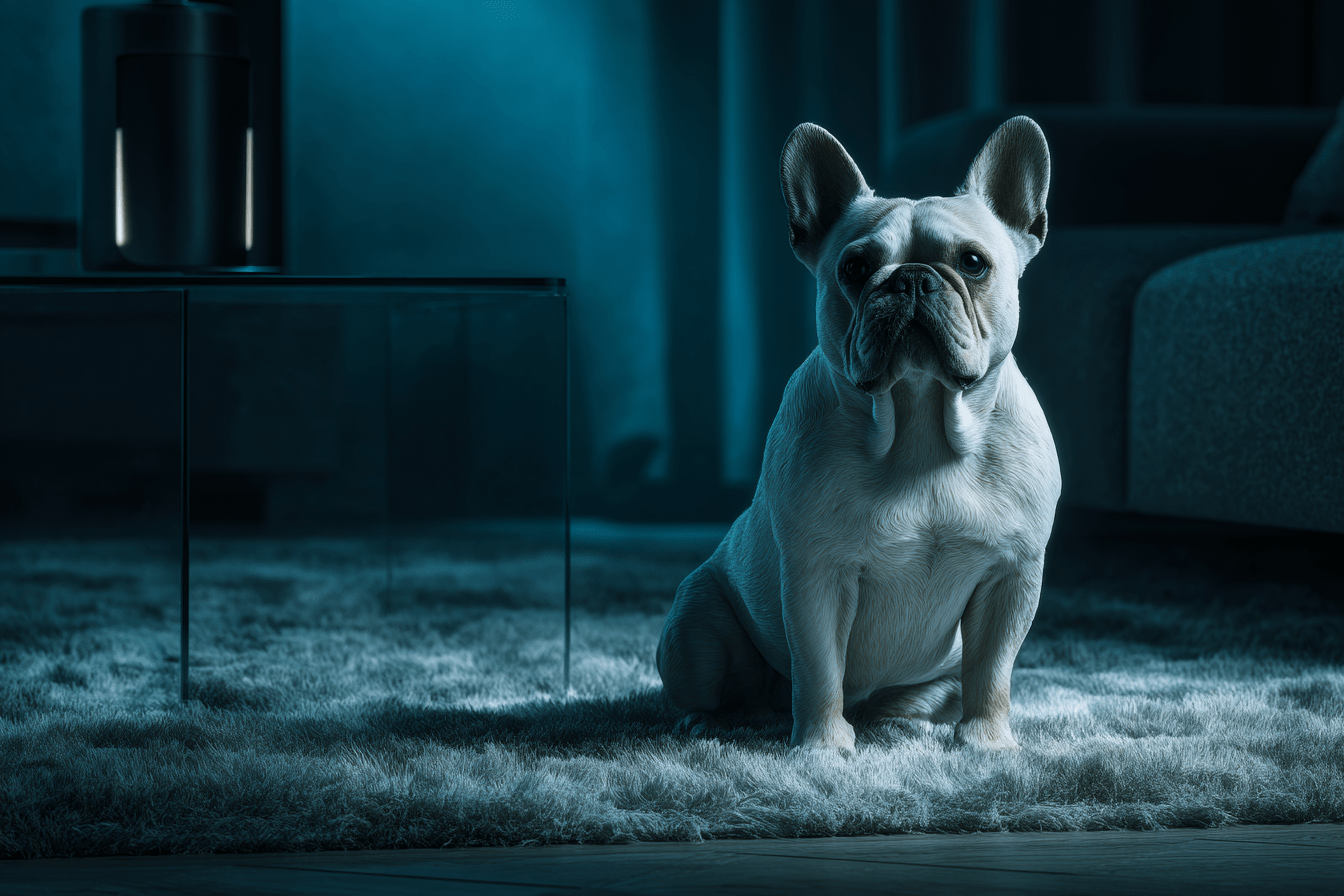
You are likely familiar with the quiet rhythm of your home at midnight, only to be interrupted by the rhythmic clack-clack-clack of paws on your hardwood floor. If you've ever wondered “why is my dog more active at night?”, you're not alone—many dog owners face this perplexing challenge. As a veterinarian, I often hear from concerned families who are losing sleep because their beloved companions pace, whine, or simply cannot settle once the sun goes down.
This nighttime restlessness often has roots in ancestral biology, age related changes, or underlying health issues that your dog is trying to communicate to you. Understanding the underlying cause is your first step toward restoring restful nights for your entire household.
Summary
Understanding natural sleep patterns in dogs
To understand your dog's nighttime behavior, we must first examine their biological blueprints. Dogs are naturally crepuscular animals, meaning they're most active during the twilight hours of dawn and dusk. In the wild, this timing allowed their ancestors to hunt when prey was active but light was low enough to provide cover. While domesticated dogs have mostly adapted to our human schedules, that internal clock can sometimes tick more loudly at night in your companion.
The way your dog spends the day dictates how they spend the night. On average, adult dogs spend about 50% of the day in sleep, 30% lying around awake, and only 20% being truly active. These percentages change significantly based on your dog's age and dog breeds.
High-energy working breeds like Border Collies or Labradors have an inherent need for intense physical activity and mental stimulation. If your dog hasn't had adequate exercise or enough mental engagement through interactive toys and training sessions during the day, it results in pent up energy and nighttime restlessness. Think of your dog's energy like a battery—if it isn't drained by bed time, that excess energy must go somewhere, often manifesting as aimless pacing in your hallways. Daily dog walks help drain that battery.

Why does my dog get more hyper at night?
When your dog suddenly becomes hyperactive after dark, insufficient exercise is often the culprit. Dogs tend to accumulate energy throughout the day, and without proper outlets, they experience what many dog owners call the "midnight zoomies." Puppies and younger dogs are particularly prone to this behavior, as their energy level remains high even late into nighttime hours.
The solution requires both physical and mental components: regular exercise combined with puzzle toys, obedience training, and interactive feeding games helps your dog feel mentally stimulated and physically satisfied.
Environmental factors also play a role in your dog's nighttime behavior. If family members have inconsistent routines or if your dog's routine lacks structure, this unpredictability can disrupt sleep patterns and make your furry friend feel anxious when darkness falls. Establishing a consistent routine with set feeding times, bathroom breaks, and a predictable sleeping schedule helps your dog feel secure and promotes restorative sleep for both you and your pet.
Is it normal for dogs to be active at night?
While some nighttime activity is normal—especially during those twilight hours when crepuscular instincts activate—sustained nighttime restlessness signals something deeper. Most dogs should naturally calm down and settle into sleep after their evening activities. However, recently adopted dogs or those experiencing significant changes may take time to adjust their sleeping schedule to match yours.
For older dogs and older pets, the answer becomes more complex. Senior dogs often experience disrupted sleep patterns due to cognitive dysfunction, pain, or medical conditions that make nighttime more challenging for them. What seems like simple restlessness in your dog's behavior may actually be their way of communicating discomfort or confusion to you.

Do dogs grow out of the witching hour?
Many owners ask: what age do dogs calm down? The "witching hour"—that period when puppies become suddenly hyperactive—is a developmental phase most dogs outgrow naturally. Puppies typically experience these bursts because their immature nervous systems struggle to regulate energy and process the day's stimulation. As dogs continue to mature, usually by 12-18 months, these episodes naturally diminish with consistent routine, proper veterinary care, and adequate outlets for both physical and mental needs.
However, if dogs continue experiencing nighttime hyperactivity into adulthood, it suggests underlying issues beyond normal puppy behavior. Adult dogs exhibiting this pattern need evaluation for health issues, anxiety, or insufficient exercise during their waking hours.
When age changes the clock: Cognitive dysfunction in senior dogs
Recognizing the signs with DISHAA
Veterinarians use the acronym DISHAA to help you identify signs:
Disorientation: getting stuck in corners
Interactions: changes in how they greet you or seek affection
Sleep-wake cycle changes: active at night, sleeping all day
House-soiling: accidents indoors
Activity levels: pacing, wandering
Anxiety: new or increased fears
In dogs with cognitive decline, the brain experiences physical changes, including beta-amyloid buildup and free radical damage. This makes your dog feel out of sync with their environment. They may wake at 3:00 am feeling confused or panicked, leading to vocalization and restless pacing through your home.

What is the 7-7-7 rule for dogs?
The 7--7-7 rule helps your newly adopted dog adjust: expect decompression over 7 days, settling in over 7 weeks, and full comfort by 7 months. This guideline is particularly relevant for understanding nighttime restlessness in recently adopted pets.
During the initial 7 days, many dogs experience heightened anxiety in their new dog's environment, leading to disrupted sleep and nighttime activity. Understanding this timeline helps you as a dog owner maintain realistic expectations and provide appropriate support as your furry friend adapts. A consistent routine during this period is crucial for helping your dog feel secure and establishing healthy sleep patterns in your home.
Hidden discomfort: Pain and physical health
Dogs have evolved to hide their discomfort, thus they may exhibit signs of physical distress more frequently at night, when the world is quiet around them. Chronic pain from osteoarthritis can make it difficult for your dog to find a comfortable sleeping position. Your dog may get up frequently because staying in one spot causes their joints to stiffen or ache.
When breathing becomes difficult
Beyond joint pain, other medical conditions drive nighttime activity in your pet. Orthopnea—difficulty breathing when lying down—causes dogs with congestive heart failure to become restless at night because fluid buildup makes them feel like they're suffocating when they lie down. By standing or pacing, they can breathe more easily.
Other metabolic causes to consider
Other metabolic drivers include:
Hyperadrenocorticism (Cushing's Disease): overproduction of cortisol leads to excessive panting and inability to calm down. Cushing’s disease can also increase thirst and urination, making it difficult for them to settle.
Diabetes Mellitus: high blood sugar causes increased urination, waking your dog because their bladder is uncomfortably full
Urinary tract infections: these create urgency requiring frequent bathroom breaks
Insulinoma: low blood sugar causes bizarre behavior and pacing in affected dogs
Blindness
Dogs that are becoming blind or developing cataracts, may become increasingly anxious when the light quality decreases. Putting a night light on can decrease their distress significantly.

The emotional component: Anxiety and environmental factors
Sometimes the night itself is the trigger for your dog's restlessness. Anxiety is the anticipation of future threat, whether real or imagined. For dogs with separation issues, the transition of family members going to separate bedrooms can feel like a departure, triggering stress in your pet. These dogs may pace or vocalize because they feel a loss of social contact with you.
We also see increased vigilance in anxious dogs that keeps them awake. A dog already on edge may be unable to settle because they're scanning for danger in your home. At night, when your house is quiet, small sounds become scary stimuli that cause reactive dogs to startle and stay awake in high alert. Vision loss in senior dogs can amplify this anxiety, as older dogs struggle to navigate darkness in familiar spaces.

Practical tips for restful nights
If your dog is more active at night, they're responding to internal or external pressure they cannot control on their own. To help your dog and yourself sleep better, consider these evidence-based strategies I recommend:
Optimize the environment
Structure and stimulation
Consider calming supports
Under veterinary guidance, melatonin before bed can help reset your dog's sleep-wake cycles. For dogs with cognitive decline, medications like selegiline or specialized diets enriched with antioxidants can significantly improve your pet's well being and reduce anxiety.
By treating your dog's nighttime activity as a medical or behavioral puzzle rather than a nuisance, you provide the support they need for better sleep and overall well being. Watch for other symptoms like changes in appetite, excessive panting, or behavioral shifts—these clues help you identify the most common causes and guide effective solutions for your companion.
If you’re unsure what’s driving the change, speak to a pet health expert.

Dr. Ingrid De Wet
Dr. De Wet brings 15 years of small animal expertise to personalized veterinary care through in-clinic work and emergency teleconsultations, contributing to pet health education while drawing on personal experience as a pet owner to understand the emotional and practical aspects of pet healthcare.
The information in this article is based on the following scientific publications:
- Elliott, J., & Grauer, G. (Eds.). (2006-2007). BSAVA Manual of Canine and Feline Nephrology and Urology (2nd ed.). BSAVA Publications.
- Villiers, E., & Blackwood, L. (Eds.). (2005). BSAVA Manual of Canine and Feline Clinical Pathology (2nd ed.). BSAVA Publications, Gloucester
- Horwitz, D. F., & Mills, D. S. (Eds.). (2009). BSAVA Manual of Canine and Feline Behavioural Medicine (2nd ed.). BSAVA Publications, Gloucester
- Harvey, A., & Tasker, S. (Eds.). BSAVA Manual of Feline Practice: A Foundation Manual. BSAVA Publications
- Rendle, M., & Hinde-Megarity, J. (Eds.). (2022). BSAVA Manual of Practical Veterinary Welfare (1st ed.). BSAVA Publications.
Looking for a solution? Start here
Stylla Calmness for dogs
Supports relaxation and emotional balance with amino acid-based formulation
- Promotes emotional balance and relaxation
- Helps maintain balanced behaviour
- Supports healthy physiological equilibrium
Made in Switzerland with strict quality standards


