

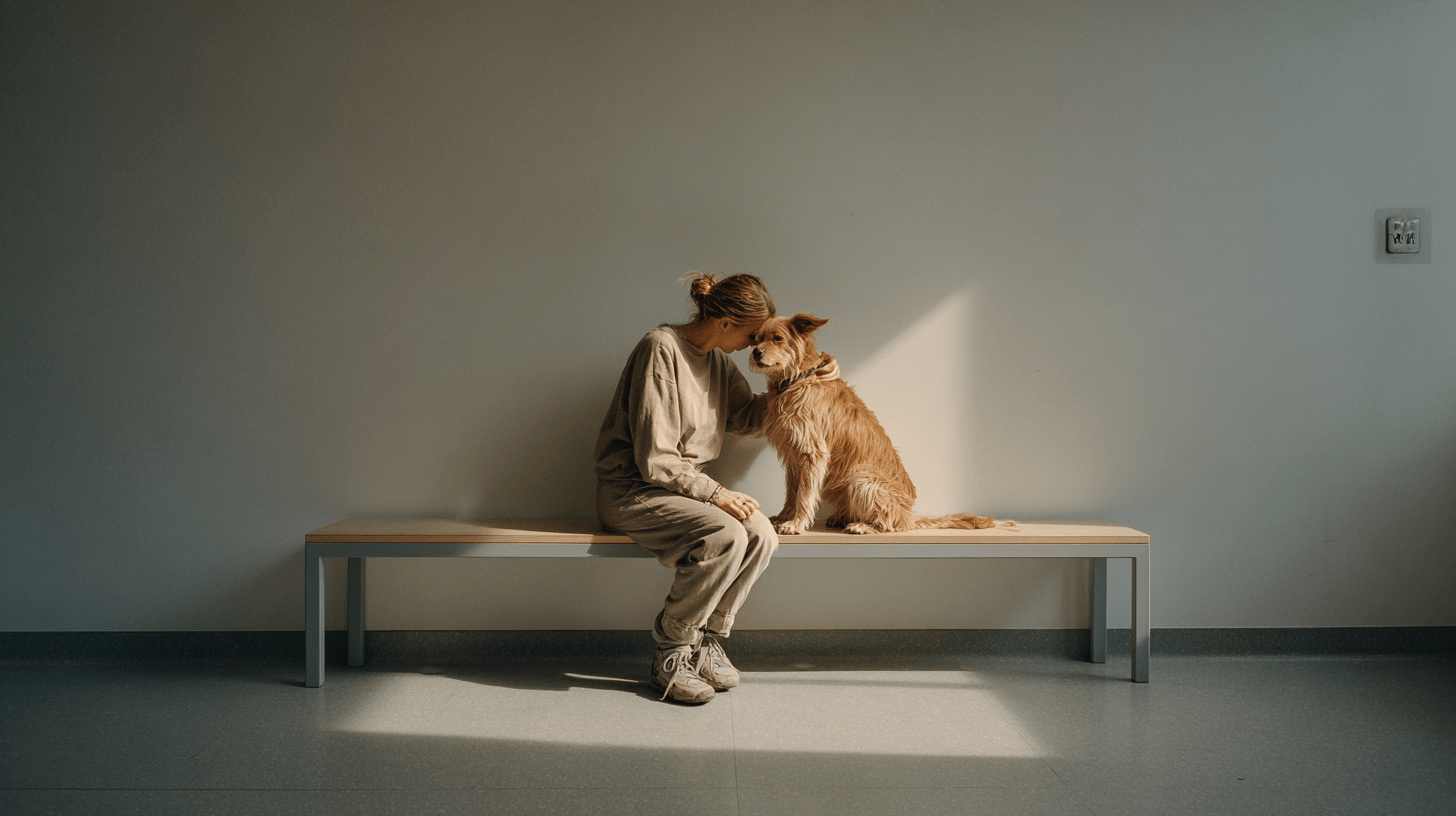
You share an unbreakable bond with your dog, striving to give them the happiest, healthiest life possible. You cherish their goofy tail wags and enthusiastic greetings, but what happens when those joyful moments are replaced by signs of stress in your dog?
Understanding these critical signals is essential because your dog is adept at concealing discomfort or illness—a deep-seated ancestral instinct from their wild counterparts, where showing weakness could invite danger. Your dog hides pain remarkably well. Recognizing when your dog is stressed requires you to become a keen observer of their body language, viewing their movements not as simple quirks but as vital communications about their emotional and physical health. This understanding represents the first, most powerful step toward becoming your pet's best advocate and ensuring their long-term welfare.
Summary
The science behind dog anxiety: Why they hide it
To effectively help a stressed dog, you must first understand what stress and anxiety truly mean from a biological perspective. Stress is your dog's physiological and behavioral response when facing a genuine threat. Anxiety, conversely, is your dog's anticipation of future danger, whether that danger is actual, imagined, or unknown.
When your dog perceives such a threat, their body initiates a rapid sequence known as the fight-or-flight response. This process activates the sympathetic nervous system and the Hypothalamus-Pituitary-Adrenal (HPA) axis, flooding their system with cortisol and other stress hormones.
While this stress response helps your dog handle acute dangers, chronic exposure to stressors—such as loud noises, unpredictable routines, or unresolved pain—forces their body into a prolonged state of alert. We call this persistent emotional state chronic stress, and it significantly impairs your pet's overall well-being, contributing to behavioral problems and physical illness.

What are the first signs of stress in dogs?
The early signs of distress in your dog are often subtle and easily missed. Many dogs display calming signals before escalating to more obvious behaviors. The cornerstone of identifying anxiety in dogs lies in recognizing their body language, as your dog relies heavily on visual cues to communicate.
Understanding your dog's body language: Subtle signs of distress
Calming and appeasement signals
These are behaviors your dog uses to diffuse perceived conflict or reduce their own anxiety when feeling threatened. Most dogs employ these signals, though they're often overlooked:
Yawning or lip licking: these are two of the most common displacement behaviors in anxious dogs. If your dog yawns repeatedly when not tired or engages in excessive licking when food isn't present, they're signaling internal conflict or stress.
Averted gaze or head turning: in canine communication, a direct stare can be threatening. Your anxious dog will often turn their head away or avoid eye contact completely, subtly asking for distance. This differs significantly from normal, relaxed behavior where eye contact feels comfortable for both you and your pet.
Whale eye: this highly specific signal occurs when your dog turns their head slightly away but their eyes remain fixed on the perceived threat, showing a crescent of white around the iris. Dilated pupils often accompany this signal, indicating heightened arousal.
Ears back or flattened: when ears are pinned tight against the head, it signals discomfort or fear. This is one of the clearest stress signs visible in your dog's behaviour.
Distance-increasing and warning signals
If your dog's subtle calming signals go unheeded, they may escalate to behaviors intended to create immediate distance, often stemming from feeling trapped or afraid.
Stiffening or freezing: a sudden halt in movement or body stiffening signals extreme internal conflict and an imminent reaction. When your dog alternates between wanting to approach and avoiding situations, they're experiencing high anxiety levels.
Low posture and tail tuck: when your dog lowers their body close to the ground while tucking their tail tightly, they're demonstrating intense fear or submissive appeasement. This is a clear example of how your dog's stress manifests physically.
Piloerection: this refers to hair standing up along your dog's back from neck to tail. You should respect this indicator of high emotional arousal as a warning sign.
Growling, snapping, or biting: these represent final steps your dog uses when they perceive inescapable threats. Growling is a critical warning signal that demands your attention. When you consistently ignore subtle cues, your dog may skip these warning steps in future circumstances, leading to seemingly unprovoked aggression. Understanding defensive behaviours helps you prevent dangerous situations with other dogs or humans.

What are 7 signs of stress in a dog?
Beyond the signals we've already discussed, here are additional key stress signs you should monitor:
Excessive barking or whining: while some barking is normal communication, persistent vocalizations in stressful situations indicate anxiety.
Panting when not hot: dogs may pant heavily even in cool environments when feeling anxious, as stress affects their bodily functions and breathing patterns.
Pacing or restlessness: inability to settle, constant movement, or circling behaviors suggest your dog is stressed and cannot self soothe.
Excessive shedding: stress triggers increased shedding beyond normal seasonal patterns, often noticeable during vet visits or other anxious moments.
Loss of appetite or digestive issues: severe anxiety can cause dogs to refuse food or experience gastrointestinal upset.
Destructive behavior: chewing furniture, digging, or other destructive acts often signal separation anxiety or too much stress when left alone.
Excessive licking or self-grooming: compulsive licking of paws, legs, or other body parts indicates anxiety in dogs and serves as a self-soothing mechanism.

How stress and physical health connect
The mind-body connection
The neural pathways processing fear and anxiety are intimately linked to areas governing sensation and emotion. When your dog feels stressed, their emotional experience amplifies physical pain sensations.
For a dog suffering from underlying joint pain or chronic visceral pain, episodes of stress make that physical health problem significantly worse, creating a vicious cycle of distress.
Gastrointestinal distress
Your dog's nervous system and gastrointestinal tract communicate constantly through the gut-brain axis. High stress levels can disrupt this delicate balance, leading directly to physical symptoms.
Stress triggers acute GI upset, including sudden vomiting, diarrhea, or reduced appetite. When you notice any sudden onset of GI signs, you should rule out an emotional response alongside any physical diagnosis.
Impaired learning and training
Anxiety also has an often-overlooked consequence: its impact on your dog's ability to learn. When your dog is excessively anxious or fearful, their capacity to focus and acquire new information becomes severely impaired.
If your training sessions consistently fail or your dog seems unable to grasp simple cues in stressful situations like a bustling dog park, they're likely too stressed to process lessons effectively. You can tell if your dog is struggling by observing whether they can respond to familiar commands—if not, their stress levels may be too high for learning.

What is the 3-3-3 rule for dog anxiety?
The 3-3-3 rule offers you a guideline for understanding how anxious dogs adapt to new environments, particularly relevant when you're bringing home rescue dogs or dogs in transition:
First 3 days: your dog may feel overwhelmed, scared, and unsure. They might not eat, drink normally, or show their true personality. Signs your dog is adjusting include hiding, avoiding family members, or showing defensive behaviours.
First 3 weeks: your dog begins settling in, feeling more comfortable, and showing their real personality. However, anxiety may still surface during stressful situations or around other dogs.
First 3 months: your dog finally feels secure and comfortable, establishing trust and routine with you. This timeline helps you set realistic expectations, though some dogs with severe anxiety or separation anxiety may need longer adjustment periods.
How do I help my dog stress? Taking action and building trust
Stop the cycle of punishment
Establish a safe space and predictable routine
You should provide your dog with a designated quiet place—a crate, room, or comfortable mat—where they can retreat without being bothered. This safe space reduces your pet's stress levels overall and gives them a sense of perceived control.
Consistency helps tremendously: maintain regular feeding times, walk schedules, and bedtime routines to minimize uncertainty in their daily life.
Provide mental enrichment and exercise
You can use food puzzle toys and fun activities to provide mental enrichment that relieves frustration and anxiety in your dog. Regular exercise helps them burn excess energy and promotes calm behavior. Daily dog walks support calm behavior and mental health.
However, balance is key—you should avoid forcing exercise during short periods when your dog is feeling anxious, as this can worsen their stress.
Consider calming aids
For many dogs, simple environmental changes can go a long way in managing anxiety. You can also consider calming aids such as pheromone diffusers or sprays, which mimic natural soothing signals and help your pet feel more secure. Some owners also find that liquid calming drops (mixed into food or water) can provide added support for mild, situational stress.
In certain cases, especially when a dog is chronically stressed or showing severe anxiety, your veterinarian may recommend anti-anxiety or other prescription medications as part of a comprehensive treatment plan. When used appropriately, these options can make a meaningful difference in helping your dog feel calmer and more comfortable.
Positive reinforcement training
You should focus intensely on rewarding desirable behavior—like calmness, sitting, or looking at you when asked—with high-value treats, praise, or gentle interaction. This approach fosters confidence and strengthens the bond between both you and your pet in powerful ways.
For example, if your dog remains calm when the doorbell rings (a common trigger), you should immediately reward this behavior to reinforce it.
Manage exposure to triggers
You need to identify what causes your dog's stress—common causes include loud noises like thunderstorms or fireworks, unfamiliar people or other dogs, vet visits, or being left alone. You can gradually desensitize your pet to these triggers using counter-conditioning techniques, where you pair the trigger with positive experiences like treats or play.
Seek professional guidance

Common causes of stress and how to address them
Separation anxiety
This represents one of the most prevalent forms of dog anxiety, occurring when your dog becomes distressed upon being separated from you and other family members. Signs include destructive behavior, excessive barking, and house soiling when you're away.
You can address this by practicing short periods of separation, creating positive associations with your departure, and ensuring your dog has access to their safe space during your absence.
Environmental changes
Lack of socialization
When you haven't properly socialized your dog, they may find interactions with other dogs, people, or new environments overwhelming and stressful. Careful, positive exposure helps you build their confidence over time. Start early: learn how to socialize your puppy safely.
Past trauma

Your dog's advocate: Building a stress-free life together
When you embrace this understanding of your dog's body language and commit to positive, non-confrontational communication, you empower your dog to feel safe and secure in their environment. This translates directly into better physical health, reduced behavioral problems, and a longer, more joyful life together for you both.
Remember that signs your dog is struggling may be subtle, but your attentiveness makes all the difference in their wellbeing. Whether you're dealing with everyday stressors or severe anxiety, your role as your pet's advocate—working alongside your pet health expert when needed—ensures they receive the compassionate care they deserve.
Every dog deserves to live free from too much stress, and with your patience, knowledge, and respect for their unique needs, you can help them achieve that calm, balanced state where both you and your companion can truly thrive.

Dr. Ingrid De Wet
Dr. De Wet brings 15 years of small animal expertise to personalized veterinary care through in-clinic work and emergency teleconsultations, contributing to pet health education while drawing on personal experience as a pet owner to understand the emotional and practical aspects of pet healthcare.
The information in this article is based on the following scientific publications:
- Elliott, J., & Grauer, G. (Eds.). (2006-2007). BSAVA Manual of Canine and Feline Nephrology and Urology (2nd ed.). BSAVA Publications.
- Villiers, E., & Blackwood, L. (Eds.). (2005). BSAVA Manual of Canine and Feline Clinical Pathology (2nd ed.). BSAVA Publications, Gloucester
- Horwitz, D. F., & Mills, D. S. (Eds.). (2009). BSAVA Manual of Canine and Feline Behavioural Medicine (2nd ed.). BSAVA Publications, Gloucester
- Harvey, A., & Tasker, S. (Eds.). BSAVA Manual of Feline Practice: A Foundation Manual. BSAVA Publications
- Rendle, M., & Hinde-Megarity, J. (Eds.). (2022). BSAVA Manual of Practical Veterinary Welfare (1st ed.). BSAVA Publications.
Looking for a solution? Start here
Stylla Calmness for dogs
Supports relaxation and emotional balance with amino acid-based formulation
- Promotes emotional balance and relaxation
- Helps maintain balanced behaviour
- Supports healthy physiological equilibrium
Made in Switzerland with strict quality standards


