

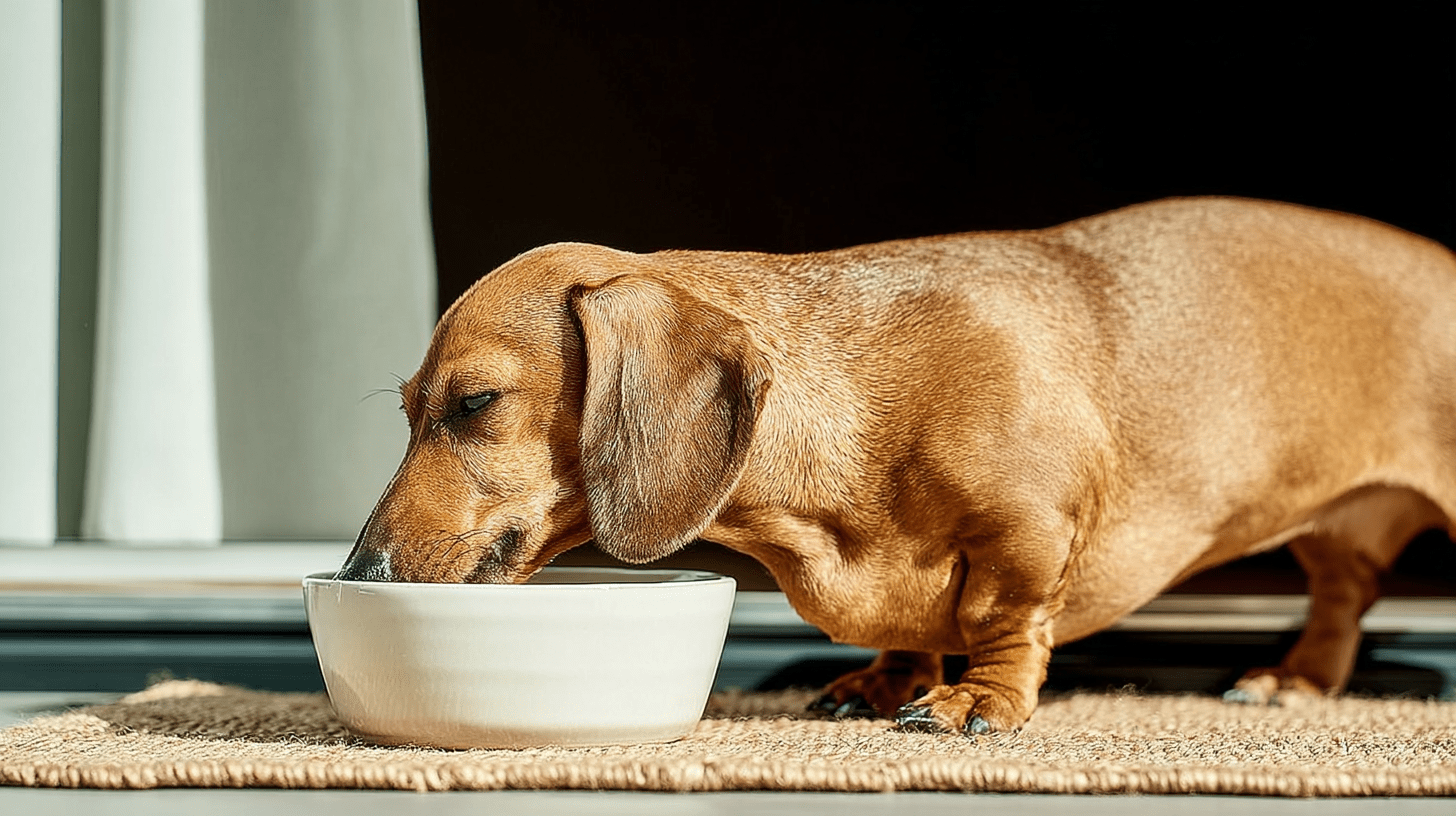
It is distressing for you as a pet owner to feel more bone than usual along your dog's side or notice your once-sturdy companion becoming gaunt. Many of you view your dog's weight as a vital indicator of their overall vitality, and watching that decline can evoke profound worry or even guilt.
Whether your furry friend is a rescue recovering from neglect, a senior with appetite loss, or an active dog who simply cannot meet their energy demands, understanding how to put weight on a dog safely is essential for restoring their energy reserves and maintaining muscle mass to ensure their quality of life.
Summary
Assessing your dog: Is weight gain actually needed?
Before adding extra calories to your dog's diet, you need to objectively determine if your dog is truly underweight. Veterinarians use the Body Condition Score (BCS), a standardized assessment of body fat that acts as a reliable gauge.
The 9-point scale is most precise, where 5 represents ideal body condition—you can easily feel the ribs without excess fat covering them, see a clear waist from above, and notice an abdominal tuck when viewing from the side.
A dog scoring 4 or lower is underweight and needs intervention. Score 1 represents emaciation with prominent ribs, spine, and pelvic bones visible from a distance.
However, weight tells only part of the story of your dog's health. The Muscle Condition Score (MCS) separately evaluates muscle mass over the head, shoulders, and hips. This distinction is critical because a skinny dog can have normal weight while suffering from sarcopenia (age-related muscle loss) or cachexia (disease-related wasting), both requiring specific interventions to help your dog gain weight successfully.

Medical causes: Rule out underlying health issues first
Weight gain is not always simply about providing more calories to your dog. Unintended weight loss often signals underlying health issues rather than simple hunger.
Veterinarians reference the "Nine Ds" of weight loss: dentition (dental problems), dysgeusia (taste distortion), diarrhea, disease, depression, dementia, dysfunction, drugs, and the frustrating "do not know."
Medical obstacles can actively block healthy weight gain in your dog. It is essential for an underweight dog to book a vet visit for a health evaluation before implementing any diet changes. Weight loss is a symptom of many potential illnesses and underlying causes need to be ruled out, as some of the illnesses can be serious if left untreated.
Periodontal disease or oral masses make chewing painful, causing your dog to avoid dog food despite genuine hunger. Exocrine Pancreatic Insufficiency (EPI) means your dog lacks digestive enzymes; they eat ravenously but lose weight because essential nutrients pass through unabsorbed.
Chronic kidney disease or heart failure create cyclical eating habits where your dog eats well briefly, then refuses food as toxins accumulate in their system. A thorough physical exam and bloodwork are essential first steps before you begin any dietary adjustments for your dog.

The science behind caloric surplus and weight gain
To help them gain weight, your dog's calorie intake must exceed their energy expenditure—essentially creating a caloric "savings account" in their body. This involves two concepts: Resting Energy Requirement (RER) and Maintenance Energy Requirement (MER). RER covers the basic body functions at rest; MER adds the calories needed for daily activity.
For underweight dogs, you should increase caloric intake by 10-20% above their current levels. However, success depends on energy density, not just the volume of food you provide.
High-fat, high-protein dog food provides more calories efficiently than simply doubling standard kibble portions. Fat delivers twice the energy per gram versus carbohydrates, allowing your dog to gain weight safely from smaller, manageable volumes—particularly helpful for picky eaters or those who feel full quickly. For healthy adults, high-quality puppy food or performance diets offer this calorie dense nutrition naturally.

What can I give a dog to gain weight fast? Practical feeding strategies
Temperature optimization
Calorie dense additions
Increase meal frequency
Environmental management
Dogs are naturally social eaters. Hand-feeding or providing quiet, stress-free home spaces away from other pets can reduce stress and encourage nervous dogs to focus on their dog's meals.

How to help your dog gain weight: Strategic food selection
Choosing appropriate dog food is fundamental for healthy weight gain in your pet. High quality protein sources support muscle development and build muscle mass rather than just adding unwanted fat. Look for foods listing real meat as the first ingredient, providing essential nutrients for tissue repair and maintaining your dog's energy levels.
To care for your senior dog with health issues, consider therapeutic formulas specifically designed for weight gain. These calorie dense options deliver concentrated nutrition in smaller volumes, ideal when your dog's appetite is limited. Puppy formulas also work well for healthy adults needing extra calories, as they contain higher protein and fat levels designed for growth.
Does rice help dogs gain weight?

What makes a dog put on weight quickly? Monitoring and adjustments
Healthy weight gain should be gradual for your dog—aim for 1-2% of body weight weekly. Rapid weight gain stresses joints and may accumulate fat without corresponding muscle mass development. Use an electronic kitchen scale to weigh food portions in grams; measuring cups are notoriously inaccurate for tracking your dog's daily caloric intake precisely.
Monitor progress track with weigh-ins every 2-4 weeks, allowing you to fine-tune your dog's diet as needed. If progress stalls, you should increase calories further or investigate new medical obstacles.
Once your dog reaches their dog's ideal weight and optimal body condition (BCS 5/9), gradually increase food another 10-20% to stabilize them at that healthy weight and prevent sliding back into deficit.
Pay attention to your dog's appetite and eating habits throughout this process. Changes may signal digestive health concerns or that new food isn't working well for your pet. When introducing dietary changes, transition gradually over 7-10 days to avoid digestive upset. Mix increasing amounts of new food with their current food each day over the course of 7-10 days, monitoring how your dog receives each change.
Supporting overall health during weight gain
Weight gain should enhance your dog's health, not compromise it in any way. Regular exercise remains important—it builds muscle mass rather than just fat, supporting your dog's specific needs for strength and mobility. Adjust activity intensity based on current body condition; very underweight dogs may need gentler daily dog walks initially as they rebuild their strength.
Ensure your dog receives essential vitamins and minerals through balanced dog food or supplements recommended by your veterinarian. Salmon oil supplements provide omega-3 fatty acids supporting coat health, brain function, and reducing inflammation—contributing to overall well being beyond just adding calories.
While helping underweight dogs gain weight safely, you must avoid human food that may be toxic (chocolate, grapes, onions, garlic) or nutritionally inappropriate for dogs. Stick to dog-safe additions that provide extra calories through healthy fats and high quality protein sources.

Creating your action plan
Your steps forward:
Schedule a weight consultation: rule out medical causes like dental pain or organ dysfunction before making any dietary changes. Blood work can identify underlying health issues affecting your dog's ability to gain weight. If you need support between appointments, you can consult with pet health experts.
Learn body condition scoring: ask your veterinarian to demonstrate BCS and MCS assessment techniques you can use at home, enabling you to monitor progress between visits and understand your dog's ideal weight.
Choose calorie dense food: select high-protein, high-fat therapeutic or puppy food if your dog is otherwise healthy. These formulas efficiently deliver the caloric surplus needed for healthy weight gain. Ask your veterinarian for specific recommendations for your pet’s health condition.
Weigh food precisely: use gram scales for all your dog's meals, ensuring accurate caloric intake. This precision helps you safely increase portions while tracking what works for your dog's specific requirements.
Maintain consistent routines: keep meal times, exercise schedules, and treat allowances stable. Consistency supports digestive health and helps you as pet owners identify which dietary adjustments produce the best results.
Track and adjust: document your dog's weight, body condition, and behavior weekly. This data helps you and your veterinarian optimize the plan, ensuring your dog reaches and maintains their ideal weight while supporting muscle development and overall health.
By understanding what makes a dog put on weight quickly—balanced, calorie-dense nutrition combined with proper medical oversight—you can help your canine companion safely increase their weight and burn calories efficiently through appropriate activity. Whether you're addressing weight loss in older dogs, supporting recovery in rescue dogs, or managing ongoing health issues, this evidence-based approach ensures your dog gains weight while building essential muscle mass for long-term well being.

Dr. Ingrid De Wet
Dr. De Wet brings 15 years of small animal expertise to personalized veterinary care through in-clinic work and emergency teleconsultations, contributing to pet health education while drawing on personal experience as a pet owner to understand the emotional and practical aspects of pet healthcare.
The information in this article is based on the following scientific publications:
- Elliott, J., & Grauer, G. (Eds.). (2006-2007). BSAVA Manual of Canine and Feline Nephrology and Urology (2nd ed.). BSAVA Publications.
- Villiers, E., & Blackwood, L. (Eds.). (2005). BSAVA Manual of Canine and Feline Clinical Pathology (2nd ed.). BSAVA Publications, Gloucester
- Horwitz, D. F., & Mills, D. S. (Eds.). (2009). BSAVA Manual of Canine and Feline Behavioural Medicine (2nd ed.). BSAVA Publications, Gloucester
- Harvey, A., & Tasker, S. (Eds.). BSAVA Manual of Feline Practice: A Foundation Manual. BSAVA Publications
- Rendle, M., & Hinde-Megarity, J. (Eds.). (2022). BSAVA Manual of Practical Veterinary Welfare (1st ed.). BSAVA Publications.
Looking for a solution? Start here
Stylla Mobility for dogs
Supports mobility and active lifestyle
- Helps maintain healthy joints and mobility
- Supports cartilage and connective tissue function
- Encourages an active lifestyle
Made in Switzerland with strict quality standards


