

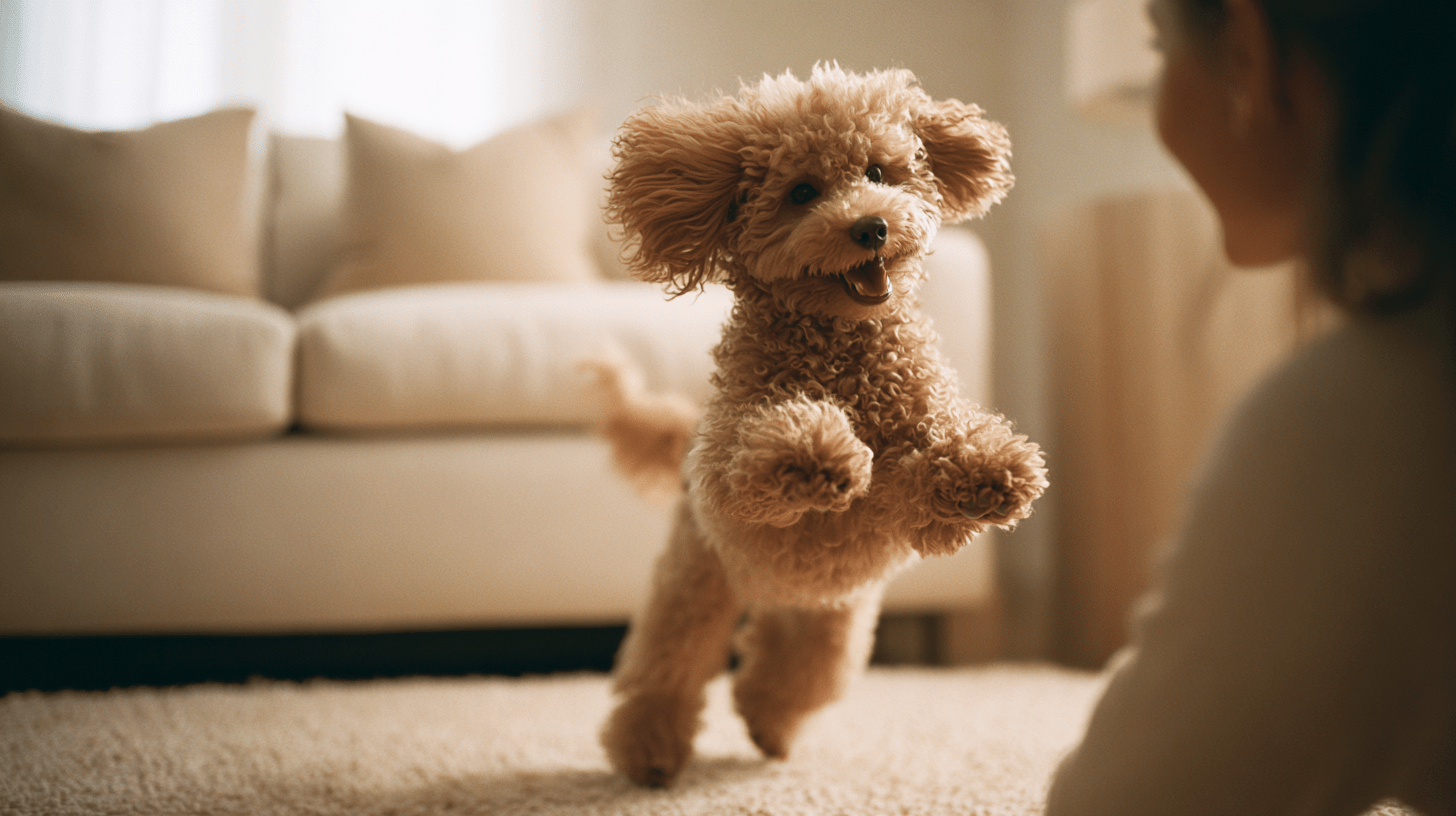
As pet parents, you dedicate yourself to your furry friend's care, cherishing the unconditional bond you share. Seeing your happy dog relaxed and content is the ultimate reward. But what happens when that calm is disrupted?
Just like us, your dog experiences life's pressures that manifest as chronic stress, anxiety, or frustration, impacting their well being and physical health. Creating a stress free home for your dog isn't just about comfort—it's about preventing fear-based behaviors, supporting overall health, and building a supportive environment where pets thrive.
As your veterinarian, my goal is to equip you with practical tips and scientifically backed strategies to create a sanctuary of stability right inside your living space.
Summary
Understanding your pet's stress: Why comfort matters
To manage stress effectively, you first need to understand how it works. When your furry friend feels threatened or fearful, their sympathetic nervous system activates—triggering the fundamental "fight or flight" response.
While this response is crucial for survival, evolutionary biology dictates that dogs instinctively hide pain or fear, making it difficult for you to recognize when they're struggling. Your pet's body is hardwired to suppress outward signs of distress because displaying weakness could make them vulnerable.
This means you, as a pet owner, need to become fluent in canine body language—a series of distance-increasing signals your dog uses to communicate discomfort. These signals start small: direct stares, turning away, lip licking, yawning out of context, or pinned ears.
If you ignore these subtle warnings, your dog may feel compelled to escalate to growling, snapping, or biting. Chronic stress leads to long-term health problems, impairing learning, memory, and general well being. Recognizing these common indicators is vital for early detection and intervention.

Three pillars of a stress free environment
Optimal physical space and safe space design
Your furry friend needs a designated safe space—a sanctuary designed exclusively for relaxation. This might be an open crate, a quiet corner away from foot traffic, or an exercise pen with comfortable bedding and minimal distractions.
This safe environment is particularly important for anxious pets or shelter dogs, offering security when visitors arrive or routines change. Playing calm music, such as classical tunes, creates a calm atmosphere and drowns out loud noises that might trigger your pet's stress.
Dog proof your living space by removing toxic plants, securing hazardous items, and creating zones where your happy pet can feel secure without constant supervision. This preventive approach helps you minimize anxiety and prevents destructive behavior before it starts.
Mental and physical stimulation through enrichment
While walks benefit your pet's health, mental stimulation is equally essential for reducing anxiety and preventing boredom. Think of your pet's mind as a complex machine—without interesting work, it might invent destructive hobbies like chewing your furniture.
Physical stimulation should be consistent and appropriate for your dog's age and breed. Exercise increases energy expenditure and benefits conditions like osteoarthritis, particularly in older dogs. However, neighborhood walks alone are often insufficient to meet your dog's needs.
Mental engagement through varied exploration, teaching new tricks, or interactive games is crucial for their emotional health.
Interactive toys and puzzle feeders transform mealtime into enrichment opportunities that engage your dog's natural instincts. Puzzle toys increase eating time, promoting satiety and providing essential mental stimulation.
Treat dispensing gadgets and interactive toys utilize your pet's natural cognitive abilities, helping to soothe anxious pets while preventing boredom. These calming aids promote good behavior and reduce stress throughout the day.
Nutrition, routine, and health management
Your pet's health depends significantly on nutrition and routine. Since dogs are adapted carnivores, they thrive on regular, measured meals that you provide at consistent times. Free-choice feeding significantly increases obesity risk, which reduces quality of life and can shorten your dog's lifespan by nearly two years.
Precision feeding is key
Maintain a consistent daily routine
Inconsistent rules, unpredictable schedules, and routine changes are potent sources of your pet's stress. A consistent schedule minimizes emotional arousal and helps pets feel secure in their environment.
Family members should coordinate feeding times, walks, and play sessions to create positive associations with daily activities.

Low stress handling techniques: Communication and training
Be consistent and clear
Embrace positive reinforcement training
Your training approach should utilize positive reinforcement methods, using food treats, play, or praise as rewards for desired behavior. This reward-based approach strengthens your bond and increases your dog's confidence.
Avoid physical punishment, stern voices, or aversive devices like choke collars. Studies show punishment increases fear, making you as the caregiver appear unpredictable and exacerbating behavioral issues.
Reward calm behavior
Implement "Nothing in Life is Free" positively by requesting simple behaviors (like sitting or eye contact) before you deliver resources. This teaches your dog deference and provides mental structure without confrontation.
Rewarding calm demeanor ensures attention is given on your terms, not just in response to demanding behaviors like barking.

Special considerations: Veterinary visits and unfamiliar environments
Create positive associations
Remain calm yourself
Gradually expose to new situations

Recognizing when professional help is needed
Consult your veterinarian
Discuss any behavioral changes during routine visits with your pet health expert. Loss of appetite, restlessness, or increased anxiety are often first clues to underlying pain or medical conditions.
Your veterinary team can recommend calming aids, behavior modification programs, or medication when necessary. Addressing chronic conditions like pain or obesity often requires comprehensive approaches tailored by professionals, as achieving your dog's ideal weight profoundly improves both quality and quantity of life.

Summary: Your action plan for a stress free home
Creating a truly stress free home is an ongoing commitment, but the benefits—a happier, healthier companion—are immeasurable. Here are your key actionable steps:
Become a body language expert: learn the subtle signs of canine stress so you can intervene before fear escalates.
Establish sanctuary: ensure your pet has a permanent, comfortable safe space they can retreat to anytime.
Measure meals precisely: weigh your dog's food daily using digital scales (in grams) and ensure treats don't exceed 10% of daily calories.
Enrich daily: integrate puzzle feeders and positive reinforcement training to utilize your dog's natural cognitive abilities.
Practice low stress handling: use gentle handling techniques, especially before and during veterinary visits.
Monitor your pet's well being: watch for changes in behavior, appetite, or energy that might signal health problems requiring early detection.
Ultimately, a calm, stress free environment is built on predictability, positive communication, and your commitment to meeting your pet's individual needs. This supportive environment forms the foundation of compassionate, evidence-based care.
Just as a strong fence protects your home, a strong routine protects your pet's mind, helping your furry friend feel secure every day. When pets thrive in environments designed for their well being, they reward you with the unconditional love and belly rubs that make every effort worthwhile—creating not just a stress free home, but a foundation for your happy pet's healthy life.

Dr. Stefan Novevski
Dr. Stefan Novevski is a licensed veterinarian at a small animal clinic specializing in internal medicine, reproduction, dermatology, nutrition, and animal welfare, who continuously updates his expertise through professional development and international clinical experience while prioritizing client education for optimal pet health outcomes.
The information in this article is based on the following scientific publications:
- Elliott, J., & Grauer, G. (Eds.). (2006-2007). BSAVA Manual of Canine and Feline Nephrology and Urology (2nd ed.). BSAVA Publications.
- Villiers, E., & Blackwood, L. (Eds.). (2005). BSAVA Manual of Canine and Feline Clinical Pathology (2nd ed.). BSAVA Publications, Gloucester
- Horwitz, D. F., & Mills, D. S. (Eds.). (2009). BSAVA Manual of Canine and Feline Behavioural Medicine (2nd ed.). BSAVA Publications, Gloucester
- Harvey, A., & Tasker, S. (Eds.). BSAVA Manual of Feline Practice: A Foundation Manual. BSAVA Publications
- Rendle, M., & Hinde-Megarity, J. (Eds.). (2022). BSAVA Manual of Practical Veterinary Welfare (1st ed.). BSAVA Publications.
Looking for a solution? Start here
Stylla Calmness for dogs
Supports relaxation and emotional balance with amino acid-based formulation
- Promotes emotional balance and relaxation
- Helps maintain balanced behaviour
- Supports healthy physiological equilibrium
Made in Switzerland with strict quality standards


