

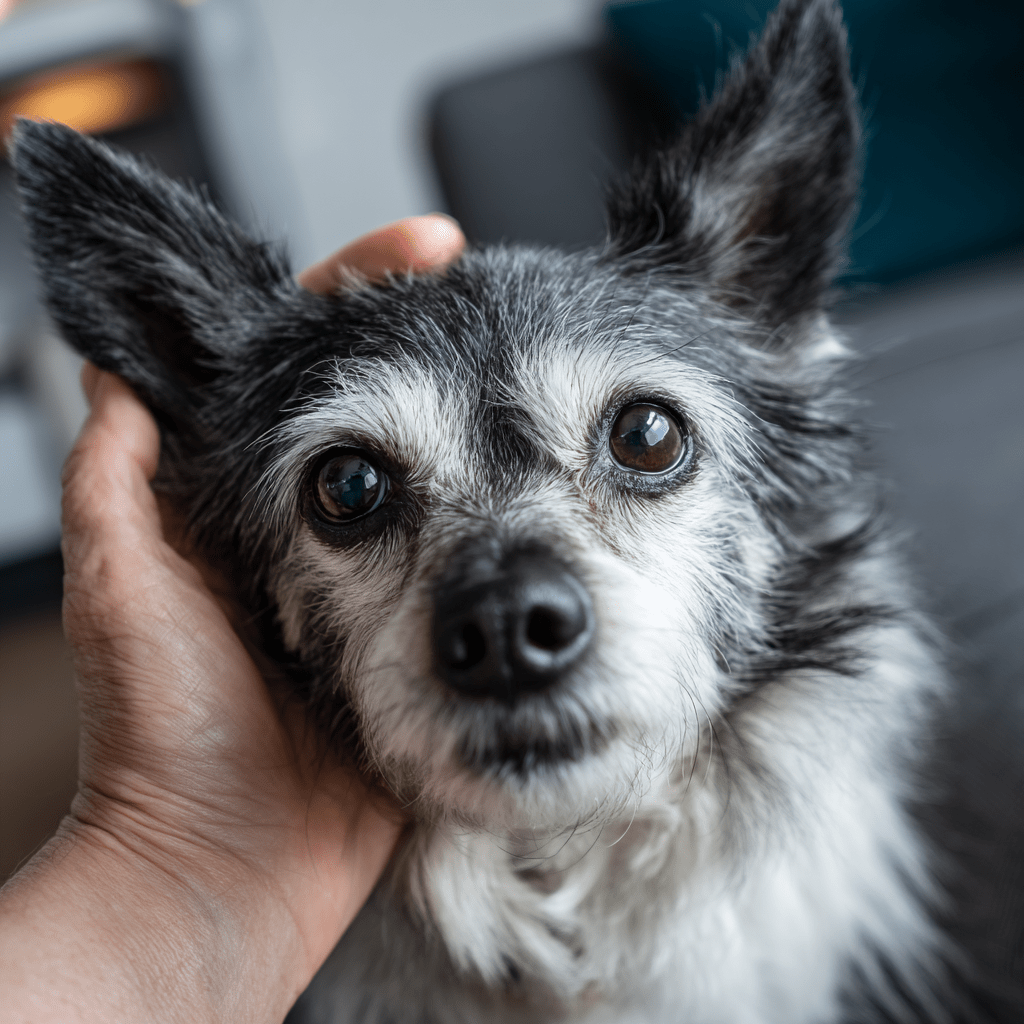
Watching your loyal companion mature brings true joy—that grey muzzle and slightly slower pace reflect years of unconditional love and shared adventures together. As your dog enters their golden years, learning to care for your senior dog properly becomes essential, requiring thoughtful shifts in your attention and a committed partnership between you and your veterinary team to ensure your pet enjoys the highest quality of life possible.
When your dog is considered a senior depends largely on their size and breed. Your dog enters this mature life stage during the final 25% of their expected lifespan. For large breed dogs, this transition typically occurs earlier—around 7.5 to 9 years—while small dogs may reach senior status closer to 10 or 11.5 years of age.
Recognizing these life stages matters because approximately 80% of veterinary costs accumulate during the last 20% of your pet's life, making proactive care absolutely essential.
Summary
When do dogs age and become seniors?
The aging process varies significantly across breeds and sizes. Dogs considered seniors require different attention than their younger counterparts, and understanding these changes helps you provide appropriate support for your pet.
As dogs age, their bodies undergo numerous physiological changes that affect everything from metabolism to joint health and cognitive function.
Large breed dogs and giant breeds are generally considered seniors by age 6-8, while smaller breeds may not reach their senior years until 10-12 years old. This difference exists because larger dogs typically have shorter life expectancies overall.
When your dog is considered a senior, watch for subtle signs including decreased energy, changes in sleep patterns, and possible stiffness after rest.

Nutrition and weight management for senior pets
The weight-health connection in aging dogs
When your dog's caloric intake remains constant while their energy requirements decrease, weight gain becomes inevitable. Obesity represents a disease state that severely reduces your pet's lifespan and increases their risk of chronic health issues including heart disease, kidney disease, liver disease, and dental disease.
Research demonstrates that keeping senior pets lean—specifically maintaining a Body Condition Score (BCS) of 4 or 5 on a 9-point scale—promotes optimal health and maximizes longevity.
Excess weight places tremendous strain on your dog's joints, exacerbating joint pain and making age-related conditions like osteoarthritis more debilitating for them. Conversely, keeping your pet healthy through proper nutrition and weight control can add quality years to your dog's life.
How to maintain a healthy weight and choose senior dog food
To maintain a healthy weight for your dog, start by accurately calculating their caloric needs—what we call the Maintenance Energy Requirement (MER). Since commercial feeding guidelines are often broad and sometimes inaccurate, I recommend working with your veterinarian to establish a tailored plan for your pet.
Accuracy is key: measure your senior dog food portions by weight in grams using a calibrated kitchen scale, rather than relying on volume measures like cups, which can prove imprecise. This precision ensures your aging dog receives exactly the prescribed calories they need.
The "treat tax": treats play an important role in bonding with your dog, but you must count them in their daily calorie budget. Keep treats and snacks below 10% of your dog's total daily calories to maintain proper nutritional balance.
Exercise as medicine: while physical exercise alone contributes minimally to initial weight loss compared to adjusting your dog's diet, encouraging regular activity remains critical for maintaining their lean muscle mass and managing joint pain. Controlled low-impact exercises like frequent walks at your dog's own pace or gentle swimming provide excellent benefits for older dogs with joint issues. Even frequent, short walks prove more beneficial than occasional long walks for your senior pet.
Special nutritional considerations for your senior dog's health
For healthy seniors, you should avoid unnecessary protein restriction. In fact, due to potential changes in macronutrient digestion as dogs age, your dog's protein requirements may actually increase.
Never reduce your dog's food intake without switching to a veterinary-recommended senior diet, as calorie restriction alone can lead to dangerous deficiencies in essential nutrients.
Senior dog food formulations differ significantly from puppy food and adult maintenance diets. Senior formulas often contain fewer calories to prevent weight gain while still providing proper nutrition to support joint health and cognitive function. These senior diets may include supplements like glucosamine and chondroitin supplements to support joint health, as well as antioxidants for cognitive support.
If your aging dog begins losing weight unintentionally—often occurring in pets aged 12 and older—they may need a calorie-dense, nutrient-rich diet to prevent further loss of lean body mass. Unintended weight loss can signal underlying health issues that require your immediate veterinary attention.

Managing joint pain in older dogs
Chronic joint pain, particularly when associated with osteoarthritis (OA), represents a pervasive reality for older pets, affecting approximately 20% of adult dogs. The most significant challenge you'll face is that signs of pain are often subtle and easily misinterpreted as just "normal aging."
This concealment of discomfort reflects a deeply ingrained survival mechanism in dogs.
How to recognize pain in your aging dog
If you notice behavioral changes in your dog—such as reluctance to jump into the car for car rides, sleeping more than usual, lagging behind on walks, or appearing to walk abnormally—these may indicate chronic pain rather than simply old age.
Your dog appears uncomfortable when they avoid stairs, hesitate before lying down, or show decreased interest in play.
Multimodal pain management approaches
An important strategy I recommend is multimodal pain management, which tackles your dog's pain from multiple angles for comprehensive relief:
Pharmaceuticals: we utilize prescribed medications like Nonsteroidal Anti-inflammatory Drugs (NSAIDs) to target inflammation and reduce pain in your dog's joints.
Weight management: reducing excess pounds on your dog's body dramatically lessens strain on their painful joints, improving your senior dog's well-being significantly.
Physical rehabilitation: implementing supportive strategies including controlled physical exercise, massage, hydrotherapy, and laser therapy helps maintain your dog's mobility while managing their discomfort.
Environmental modifications: simple changes to your dog's comfort level can make substantial differences in their daily life. Consider memory foam beds for better joint support during rest, yoga mats or non-slip surfaces on slippery floors to prevent falls, and elevated food and water bowls to reduce neck strain during your dog's meals.
If you suspect chronic pain in your pet, your veterinarian may recommend validated pain assessment questionnaires to help you objectively monitor behavior changes at home and gauge treatment effectiveness for your dog.
Early detection and intervention improve your dog's outcomes substantially.

Cognitive health and mental stimulation
As your dog's brain ages, they may develop Cognitive Dysfunction Syndrome (CDS)—also called canine cognitive dysfunction—a neurodegenerative disorder similar to early Alzheimer's disease in humans. This condition affects up to two-thirds of dogs aged 15-16 years.
Early detection is paramount for slowing your dog's cognitive decline progression.
Recognizing cognitive decline: the DISHAA signs
Look for subtle behavioral changes in your dog captured by the acronym DISHAA:
Disorientation: your dog getting stuck in corners or appearing lost in familiar spaces
Interactions: changes in your dog's social behavior toward family members or other pets
Sleep/wake cycles: your dog sleeping more during the day, pacing or showing restlessness at night
House soiling: accidents in your house-trained dog
Activity changes: reduced play in your dog or sudden increased pacing and anxiety
Anxiety: new fears or generalized nervousness in your previously confident dog
Supporting your dog mentally through their senior years
Managing cognitive changes focuses on environmental modification and nutrition for your pet. Maintaining consistent daily routines provides security for your aging dog as they experience cognitive changes.
Mental stimulation through environmental enrichment proves crucial—puzzle toys, training sessions teaching new tricks, and interactive games provide essential mental enrichment that keeps your dog mentally sharp.
Nutritional support plays a vital role in your dog's cognitive health. Diets supplemented with antioxidants, B vitamins, arginine, and essential fatty acids like Docosahexaenoic Acid (DHA) can contribute to improved cognitive function in your senior dog. Some senior formulas specifically target brain health to slow cognitive decline.
Quality time with your pet—including gentle play, training sessions, and simple companionship—provides both mental stimulation and strengthens your bond during these golden years together.

Preventative medicine: The cornerstone of senior dog care
Addressing dental disease: more than just bad breath
The most prevalent disease affecting adult dogs is periodontal disease or gum disease. By age two, approximately 80% of adult dogs already suffer from dental disease. That familiar "doggy breath" (halitosis) you notice is usually the primary sign of this preventable bacterial infection.
When left untreated, dental disease progressively damages the tissues and bone supporting your dog's teeth, leading to chronic infection, pain, and potentially contributing to heart disease, kidney disease, and liver disease. Bacteria from your dog's infected gums enter their bloodstream, affecting major organs and shortening your dog's life.
Professional care is non-negotiable: because the most critical disease occurs hidden beneath your dog's gumline, daily frequent brushing must be complemented by Comprehensive Oral Health Assessment and Treatment (COHAT) under general anesthesia. This procedure allows your veterinarian to perform thorough probing, charting, and full-mouth dental X-rays to uncover underlying issues in your dog like bone loss or tooth resorption.
Your role in routine monitoring and regular checkups
The best strategy for ensuring your senior dog's well-being is routine monitoring with your veterinary team. Annual veterinary appointments represent the bare minimum for healthy adults; however, your older pet benefits greatly from wellness examinations scheduled at least twice yearly.
These regular checkups allow your veterinary team to detect subtle changes in your dog's weight, organ function, and behavior through physical exam and laboratory work including urine tests.
Each visit should include comprehensive nutritional assessment for your dog, tracking their body weight, Body Condition Score (BCS), and Muscle Condition Score (MCS) to identify age-related muscle loss. These frequent assessments enable early detection of health issues when they're most treatable in your pet.

Skin, grooming, and comfort for aging dogs
As your dog ages, their skin becomes more delicate and prone to issues. Frequent brushing helps distribute natural oils, removes dead hair, and provides you opportunities to check your dog for skin tumors, lumps, or skin infections.
Older dogs may develop benign growths, but some skin tumors require monitoring or removal. Regular grooming sessions allow you to detect changes early in your pet, as thick coats can hide skin tumors or injuries.
Grooming also provides quality time for bonding with your dog while maintaining your pet's hygiene and comfort. Pay attention to areas where your aging dog may have difficulty self-grooming, particularly their hindquarters, as flexibility decreases with age.
Understanding the 3-3-3 rule and 7-7-7 rule with dogs
The 3-3-3 rule typically applies to newly adopted dogs, representing their adjustment timeline: 3 days to decompress, 3 weeks to learn routines, and 3 months to fully settle into your home. While primarily relevant for adoptions, this framework can also apply when your senior dog experiences major life changes, requiring your patience during transitions.
The 7-7-7 rule refers to a general guideline suggesting dogs should have 7 hours of sleep, 7 hours of activity and interaction, and additional rest distributed throughout the day. For your senior pet, this balance shifts—older dogs require more rest (often 12-14 hours daily) with shorter, more frequent activity periods rather than extended exertion.

When to know it's time: Making difficult decisions
One of the most challenging aspects of senior dog care involves recognizing when your companion's quality of life has diminished beyond recovery. While this decision is deeply personal and should involve your veterinary team, you should consider these factors:
Quality of life assessment: can your dog still enjoy their favorite activities? Are they eating, drinking, and eliminating normally? Is your dog's pain adequately managed, or does your pet appear to suffer despite intervention?
The "good days" ratio: when bad days consistently outnumber good ones for your dog, it may signal that your dog's life has become more burden than joy.
Veterinary consultation: your veterinarian can provide objective assessment of your dog's condition, discussing the prognosis for age-related conditions and whether continued treatment serves your pet's best interests or merely prolongs their suffering.
Many veterinarians use quality-of-life scales evaluating your dog's pain, hunger, hydration, happiness, mobility, and whether they have more good days than bad. These tools help you make informed, compassionate decisions focused on your senior dog's well-being rather than your own difficulty letting go.
Remember that choosing euthanasia when your dog's suffering cannot be adequately relieved is a final act of love, preventing prolonged discomfort and preserving your pet's dignity during their final moments.

How to best care for a senior dog: Comprehensive checklist
Nutrition and weight:
Work with your veterinarian to determine appropriate caloric intake for your dog and choose suitable senior dog food
Measure your dog's portions precisely by weight
Monitor your dog's weight and body condition regularly
Adjust your dog's diet if weight gain or loss occurs
Limit your dog's treats to 10% of their daily calories
Physical health and mobility:
Schedule twice-yearly wellness exams for your dog and regular checkups including physical exam and urine tests
Maintain your dog's healthy weight to reduce joint pain
Provide your dog with low-impact exercises like short, frequent walks
Consider chondroitin supplements and therapies like laser therapy to support your dog's joint health
Make environmental modifications for your dog: memory foam beds, yoga mats on slippery floors, raised water bowls
Address dental disease in your dog through frequent brushing and professional cleanings
Mental health:
Provide your dog with mental stimulation through puzzle toys and training new tricks
Maintain consistent routines for your dog
Offer your dog mental enrichment activities
Monitor your dog for signs of canine cognitive dysfunction
Keep your dog mentally engaged with quality time and interaction with other pets
Monitoring and early detection:
Watch for behavioral changes in your dog suggesting pain or cognitive decline
Check your dog regularly for skin tumors or skin infections during grooming
Note changes in your dog's eating, drinking, elimination, and sleep patterns
Report concerns about your dog to your veterinarian promptly
Use validated assessment tools for your dog's pain and cognitive function
Working collaboratively with your pet health expert and diligently implementing home care strategies for your dog's proper nutrition, mobility, and mental well-being empowers you to advocate for your aging dog's best life. The senior years, while presenting challenges, offer you precious opportunities for deepening bonds and ensuring your loyal companion experiences comfort, dignity, and joy throughout their final chapter.
By understanding how dogs age and adapting your care appropriately, you can significantly enhance both the length and quality of your senior dog's life. These golden years, when approached with knowledge and compassion, become a testament to the unconditional love your dog has given you throughout their life—love you now return through attentive, informed care for your senior dog companion.

Dr. Stefan Novevski
Dr. Stefan Novevski is a licensed veterinarian at a small animal clinic specializing in internal medicine, reproduction, dermatology, nutrition, and animal welfare, who continuously updates his expertise through professional development and international clinical experience while prioritizing client education for optimal pet health outcomes.
The information in this article is based on the following scientific publications:
- Elliott, J., & Grauer, G. (Eds.). (2006-2007). BSAVA Manual of Canine and Feline Nephrology and Urology (2nd ed.). BSAVA Publications.
- Villiers, E., & Blackwood, L. (Eds.). (2005). BSAVA Manual of Canine and Feline Clinical Pathology (2nd ed.). BSAVA Publications, Gloucester
- Horwitz, D. F., & Mills, D. S. (Eds.). (2009). BSAVA Manual of Canine and Feline Behavioural Medicine (2nd ed.). BSAVA Publications, Gloucester
- Harvey, A., & Tasker, S. (Eds.). BSAVA Manual of Feline Practice: A Foundation Manual. BSAVA Publications
- Rendle, M., & Hinde-Megarity, J. (Eds.). (2022). BSAVA Manual of Practical Veterinary Welfare (1st ed.). BSAVA Publications.
Looking for a solution? Start here
Stylla Mobility for dogs
Supports mobility and active lifestyle
- Helps maintain healthy joints and mobility
- Supports cartilage and connective tissue function
- Encourages an active lifestyle
Made in Switzerland with strict quality standards


