

Feline health
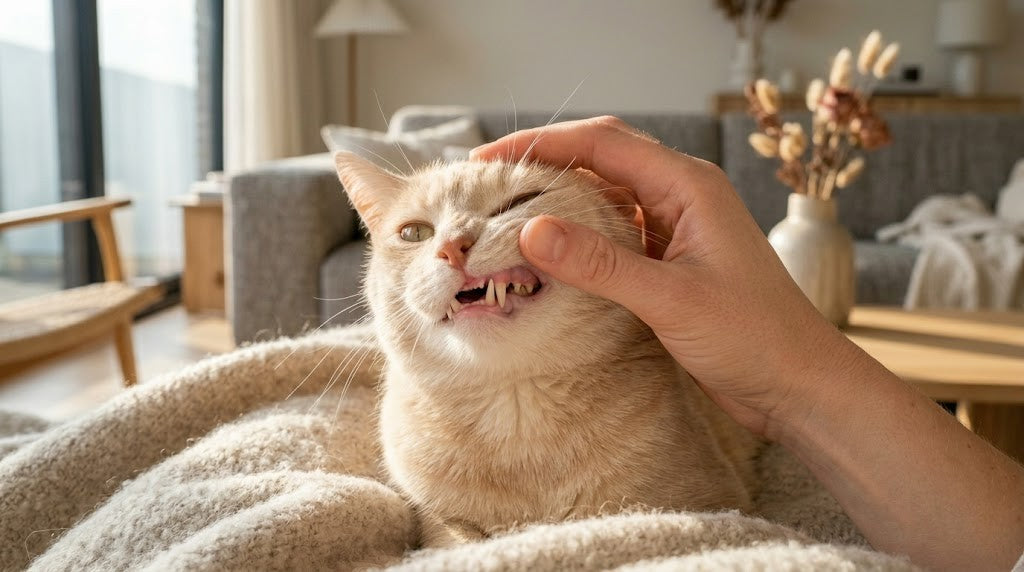

Cat bad breath: Why your cat's breath smells bad and what you can do about it
This article explains the most common causes of cat bad breath, from periodontal disease and tooth resorption to systemic conditions like kidney disease. It covers warning signs to watch for, what happens during a professional dental cleaning, and practical home care strategies — including brushing, dental diets, and approved treats — to keep your cat's mouth healthy.
Learn more
The best joint supplement cats need: A veterinarian's complete guide
This veterinarian-authored guide explains how osteoarthritis affects cats and what to look for in a joint supplement. It covers proven ingredients like omega 3 fatty acids, glucosamine, and green lipped mussel, compares delivery formats such as soft chews and liquid supplements, and outlines how weight management and the NASC quality seal factor into choosing the right product for your senior cat.
Learn more
Old cat meowing at night: Why senior cats vocalize and how to help
This article covers the most common reasons behind an old cat meowing at night, from cognitive dysfunction and hyperthyroidism to pain and sensory decline. It also offers practical, vet-approved advice on environmental adjustments, routine changes, and when to seek medical treatment.
Learn more
Why is my cat limping? A vet's guide to feline lameness
This article covers the most common reasons behind feline lameness, from trauma and cat bite abscesses to osteoarthritis and systemic disease. It explains what signs to watch for, when to seek veterinary care, and what steps pet owners can take to support their cat's health and mobility
Learn more
Scottish Fold folded ears: What makes them unique and how to care for them
This article explains the genetic cause behind Scottish Fold folded ears, how the cartilage mutation affects overall health, and provides practical guidance on pain management, weight control, ear care, and responsible breeding practices for this distinctive breed.
Learn more
Maine Coon size: Everything about these gentle giants
This comprehensive guide covers Maine Coon size expectations, including weight ranges for males and females, growth timelines, comparisons to other breeds, and the special care considerations these large cats require. Learn what to expect when bringing home one of the largest domestic cat breeds.
Learn more
Cat limping front paw: Causes, signs, and when to see a vet
This veterinary guide explains the common causes of forelimb lameness in cats, including trauma, arthritis, neurological issues, and serious conditions like lung-digit syndrome. Learn how to recognize emergency signs, understand diagnostic processes, and explore multimodal treatment approaches to restore your cat's comfort and mobility.
Learn more
Understanding cat dandruff
This veterinary guide examines the underlying causes of cat dandruff, from stress and obesity to nutritional deficiencies and medical conditions. Learn practical steps to address flaky skin, when home care is sufficient, and when professional treatment becomes necessary for your cat's health.
Learn more
How to calm down a hyper cat: Proven strategies from a veterinarian
This article explores the root causes of feline hyperactivity, from stress and boredom to medical conditions like hyperthyroidism. Learn veterinary-backed strategies including environmental enrichment, structured play sessions, food puzzles, and routine management to help your cat achieve a calmer, balanced state.
Learn more