

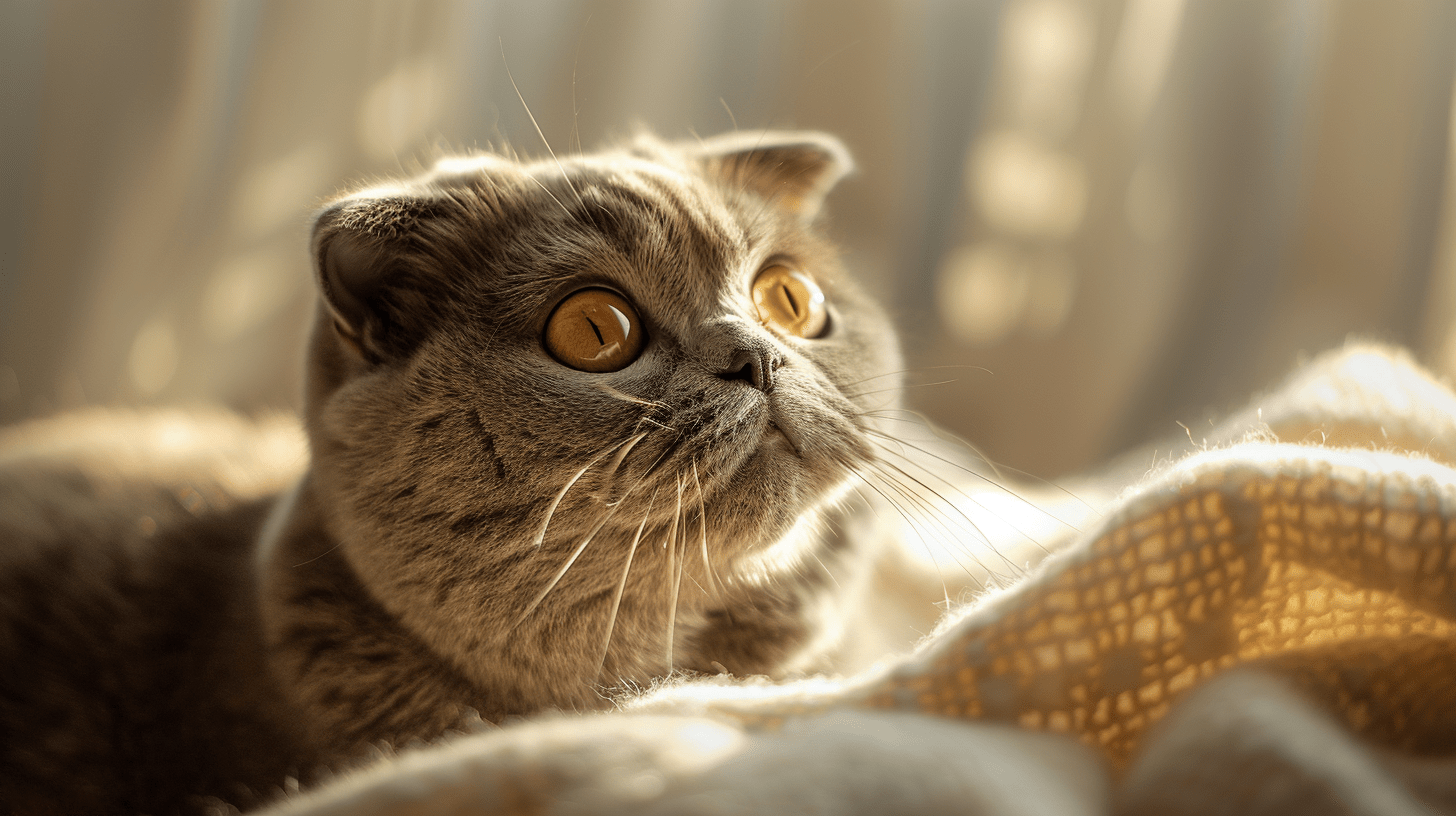
There is something undeniably captivating about Scottish Fold cats. With their large round eyes and distinctive scottish fold folded ears, they possess an almost owl-like appearance that triggers your natural instinct to nurture. In the veterinary world, we often refer to this as the "baby schema"—a set of physical features such as a round head and round eyes that you find instinctively appealing. It is easy to fall in love with that sweet expression, and as a veterinarian, I see the joy these fold cats bring to families every day. However, it is my responsibility to help you look past the cuteness to understand the unique biology behind those folded ears, and more importantly, how that biology affects your cat's overall health and quality of life.
Summary
Why are Scottish Fold cats' ears folded?
The Scottish fold breed emerged from a spontaneous mutation discovered in 1961 when William Ross, a Scottish farmer, noticed a barn cat named Susie with unusual folded ears on a farm near Coupar Angus, Scotland. This first fold ear cat discovered became the foundation of the entire breed.
The ear fold results from a genetic mutation affecting cartilage development—specifically, a dominant gene that alters how cartilage forms throughout your cat's body. When Scottish Folds inherit this dominant gene, the cartilage in their outer ear lacks the normal stiffness, causing the ears to fold forward instead of standing upright like normal ears.
This genetic mutation affects cartilage everywhere, not just in the ears. The same cartilage defect that creates the characteristic folded ear cats appearance can also impact joints in your cat's legs, tail, and spine.
Responsible breeding programs now recognize that breeding two Scottish Fold cats together dramatically increases the risk of severe skeletal abnormalities and malformed bone structures. That's why experienced breeders follow strict protocols: they breed fold cats only with straight eared cats, often Scottish Straight, British Shorthair, or American Shorthair cats, to reduce genetic disease risk while preserving the unique folded ears that define the breed.

At what age do Scottish Folds' ears fold?
Understanding the degrees of ear folding
The degree of folding varies among individual Scottish Folds. Some cats develop a single loose fold, creating just a gentle curve at the ear tip. Others develop a double fold with more pronounced bending, while the most distinctive individuals have tightly folded ears that lie completely flat against the head, creating what cat fanciers call a "cap like appearance."
Heterozygous cats—those with one copy of the fold gene—typically show less extreme folding than cats with two copies, though breeding scottish folds to produce homozygous offspring is prohibited breeding practice in ethical programs due to severe health problems.
Recognized varieties of Scottish Folds
The whole-body impact: Understanding osteochondrodysplasia
When you welcome Scottish Folds into your home, you become the guardian of their unique needs. The very trait that makes these cats so famous—the folded eared appearance—is the visible result of a condition called osteochondrodysplasia. This affects cartilage and bone development throughout your cat's body, meaning the lack of stiffness allowing the ear to fold forward can also compromise joints in the legs and tail. Caring for Scottish Folds requires you to take a proactive, whole-body approach to wellness, focusing on pain management, respiratory health, and weight control.
Some fold cats may develop arthritis earlier than domestic cats of other breeds. Joint problems can range from mild stiffness to severe pain that significantly impacts your cat's quality of life. Scottish Folds tend to show subtle signs of discomfort rather than obvious limping. Behavioral changes—like reluctance to jump, withdrawal from human interaction, or irritability when you handle them—often signal joint pain that requires veterinary attention.
Genetic testing is becoming more available to help breeders identify carriers and make informed decisions. Reputable breeders provide health documentation, discuss the parents' medical history, and offer written contracts outlining health guarantees. When you're considering Scottish Fold kittens, always ask about screening for polycystic kidney disease to ensure early kidney disease detection that extends your cat's years.

Do Scottish Folds have ear issues?
Routine ear care for folded ears
Regular ear checks should be part of your routine care. Look for redness, dark discharge, odor, or signs your cat is scratching at their ears or shaking their head. The tighter the ear fold, the more important it becomes for you to prioritize cleaning cat ears to ensure the canal remains healthy. Your veterinarian can demonstrate proper ear examination techniques during wellness visits.
The folded ear structure also means you must be gentle when handling your cat's head. Never force the ears upright or manipulate them roughly, as the cartilage abnormality that creates the fold makes the ear more delicate than normal ears. Teaching children proper handling techniques protects both your Scottish Fold's ears and maintains the trusting bond between your cat and family members.
Managing chronic pain: The PLATTER approach
Recognizing subtle signs of pain
Instead, start understanding your cat's stress signals by watching for subtle behavioral changes: reduced activity, sleeping more, decreased grooming, reluctance to jump onto favorite perches, or irritability when you touch them. These often represent the only visible "symptoms" of joint pain you'll see. Veterinary nurses play a fundamental role in identifying these changes, as they spend considerable time discussing your pet's lifestyle during appointments.
Implementing the PLATTER cycle
We manage chronic pain using the "PLATTER" approach: Plan, Treat, Evaluate. This continuous cycle involves us assessing your cat's comfort level, implementing therapy—medication, environmental modifications, supplements, or physical therapy—and then re-evaluating effectiveness. Adding a high-quality joint supplement to this regimen can provide essential nutrients that support cartilage health and improve overall mobility. It's not a one-time fix but a lifelong partnership between you and your veterinary team. Validated Quality of Life assessments help us objectively track your cat's comfort, activity level, and emotional well-being over time.
Pain also has strong emotional components. Chronic discomfort frequently triggers stress, but learning how diet can help manage anxiety in cats can break the cycle where pain causes stress, and stress amplifies your cat's pain perception. Addressing both physical pain and emotional wellness provides the most comprehensive care for Scottish Folds living with joint challenges.

Weight management: Your most powerful tool
Perhaps the single most impactful action you can take for your Scottish Fold is maintaining them at a lean, healthy body weight. Excess weight places tremendous mechanical stress on joints that may already be compromised by the breed's cartilage abnormality. Furthermore, body fat actively promotes chronic, low-grade inflammation throughout your cat's body, directly worsening existing pain.
Keeping your pet lean is the only proven intervention to increase both lifespan and quality of life. However, because Scottish Folds may have reduced mobility due to joint stiffness, you cannot rely solely on exercise for weight control. This makes strict calorie management essential for you. Weight gain occurs when calorie consumption exceeds energy expenditure. If your cat is less active due to orthopedic discomfort, their calorie needs will be lower than those of highly active cats.
Using body condition scoring
View nutritional assessment as a "fifth vital sign"—as important as temperature, pulse, respiration, and pain assessment. Using a Body Condition Score chart helps you learn how to spot and solve your cat's obesity problem and visualize your cat's ideal weight. At optimal weight, you should easily feel your cat's ribs without pressing through fat. If you're uncertain, ask your veterinary team to demonstrate proper body condition assessment during your next visit.
Calculating precise calorie needs
Scottish Fold personality and social needs
The scottish fold personality typically includes affectionate, gentle, and adaptable traits that make these cats excellent companions for you. Scottish Folds generally enjoy human interaction and integrate well with other pets when you introduce them properly. They're known for quirky sitting positions—sometimes resembling a prairie dog sitting upright—likely related to comfort preferences given their skeletal structure.
These cats thrive on companionship and shouldn't be left alone for extended periods. If you work long hours, consider adopting two cats, ideally a straight eared Scottish Straight with a Scottish Fold, to provide social enrichment. Farm cats historically lived in colonies; domestic cats retain these social instincts and benefit from feline companionship.
Creating an accessible environment
You can transform your home into a feline paradise by providing environmental enrichment, which is especially important for fold cats with mobility limitations. Multiple low-entry litter boxes, easily accessible food and water stations, soft bedding at ground level, and ramps to favorite perching spots all accommodate cats experiencing joint stiffness. Even cats with reduced mobility benefit from gentle play that maintains muscle tone without overstressing their joints.

Grooming and coat care
Both shorthaired Scottish Folds and longhaired folds require you to groom them regularly to maintain their dense coat. Weekly brushing prevents matting, reduces hairballs, and distributes natural oils throughout your cat's coat. During heavier shedding periods—typically spring and fall—increase your brushing frequency to several times weekly.
Regular grooming sessions and knowing how to trim a cat's claws safely and stress-free provide opportunities for you to check for lumps, skin issues, or areas of sensitivity that might indicate underlying problems. Many cats enjoy grooming as bonding time with you, and establishing this routine early helps your Scottish Fold associate handling with positive experiences.
Breeding cats responsibly: Ethics and considerations
Breeding scottish folds requires extensive knowledge, genetic understanding, and ethical commitment from you. Breeding fold cats to other fold cats is widely condemned because it produces offspring with severe skeletal deformities and guaranteed suffering. Major cat registries only recognize breeding programs where you pair one fold-eared cat with straight eared cats.
Even with responsible breeding practices, producing folded eared cats means you're accepting that the desired trait—the ear fold—comes from the same genetic mutation that increases health risks. This creates ethical debates within cat fanciers' communities. Some registries, particularly in Europe, have restricted or banned Scottish Fold breeding entirely due to welfare concerns.
Health screening for breeding programs
Your prospective breeding cats should undergo health screening for polycystic kidney disease, hypertrophic cardiomyopathy, and other conditions affecting the breed. Experienced breeders maintain detailed health records, provide genetic testing results, and carefully select breeding pairs to minimize health problems while maintaining breed standards for the round head, round eyes, and characteristic folded ears.
If you're considering breeding cats, thoroughly research genetic disease risks, connect with mentor breeders, and commit to placing kittens in homes prepared for potential health challenges. Your responsibility extends beyond producing kittens—it includes lifelong support for adoptive families and accountability for every cat you bring into the world.

Making informed choices: Acquisition and care
If you're considering adding a Scottish Fold to your family, gather information before you commit. Research the genetic mutation, understand potential health problems, and honestly assess whether you can provide the necessary care. Visit breeders in person, meet the parent cats, observe living conditions, and ask detailed questions about health screening and breeding practices.
Alternative options include adopting straight eared folds—Scottish Straights—who carry the fold gene but have normal ears, reducing some health risks while maintaining the breed temperament you love. Many rescues and shelters also have Scottish Folds or Scottish Fold mixes needing homes, often at lower cost than purchasing kittens from breeders.
Whether you're acquiring a kitten or adopting an adult cat, establish veterinary care immediately. Schedule a wellness exam, discuss appropriate vaccination protocols with your veterinarian, and develop a preventive care plan tailored to your Scottish Fold's needs. Building a relationship with a veterinary team familiar with the cat breed creates a support network for addressing concerns as they arise.

Loving Scottish Folds responsibly
Loving Scottish Fold cats means you must look beyond the adorable folded ears to understand the physiology creating them. These unique folded ears result from a genetic mutation affecting cartilage and bone development throughout your cat's body. By acknowledging that the breed is predisposed to brachycephalic respiratory issues and cartilage-related joint problems, you can take proactive steps to mitigate these risks.
Your toolkit for keeping your Scottish Fold happy includes vigilant pain assessment—watching for behavioral changes rather than obvious limping—strict weight control to reduce joint stress and systemic inflammation, respiratory awareness by monitoring your cat's breathing during rest and exercise, and professional partnership with pet health experts to create long-term pain management plans using the PLATTER cycle..
Remember that you have the right to ask questions when you're acquiring kittens. Responsible breeders discuss parent health with you, provide written contracts outlining rights and responsibilities, and offer ongoing support. By being informed and proactive, you empower yourself to provide the best possible life for your unique, affectionate companion—whether they have tightly folded ears, a single fold, or are among the straight eared cats carrying the breed's gentle personality.

Dr. Stefan Novevski
Dr. Stefan Novevski is a licensed veterinarian at a small animal clinic specializing in internal medicine, reproduction, dermatology, nutrition, and animal welfare, who continuously updates his expertise through professional development and international clinical experience while prioritizing client education for optimal pet health outcomes.
The information in this article is based on the following scientific publications:
- Elliott, J., & Grauer, G. (Eds.). (2006-2007). BSAVA Manual of Canine and Feline Nephrology and Urology (2nd ed.). BSAVA Publications.
- Villiers, E., & Blackwood, L. (Eds.). (2005). BSAVA Manual of Canine and Feline Clinical Pathology (2nd ed.). BSAVA Publications, Gloucester
- Horwitz, D. F., & Mills, D. S. (Eds.). (2009). BSAVA Manual of Canine and Feline Behavioural Medicine (2nd ed.). BSAVA Publications, Gloucester
- Harvey, A., & Tasker, S. (Eds.). BSAVA Manual of Feline Practice: A Foundation Manual. BSAVA Publications
- Rendle, M., & Hinde-Megarity, J. (Eds.). (2022). BSAVA Manual of Practical Veterinary Welfare (1st ed.). BSAVA Publications.
Looking for a solution? Start here
Stylla Mobility for cats
Supports mobility and active lifestyle
- Helps maintain healthy joints and mobility
- Supports cartilage and connective tissue function
- Encourages an active lifestyle
Made in Switzerland with strict quality standards


