

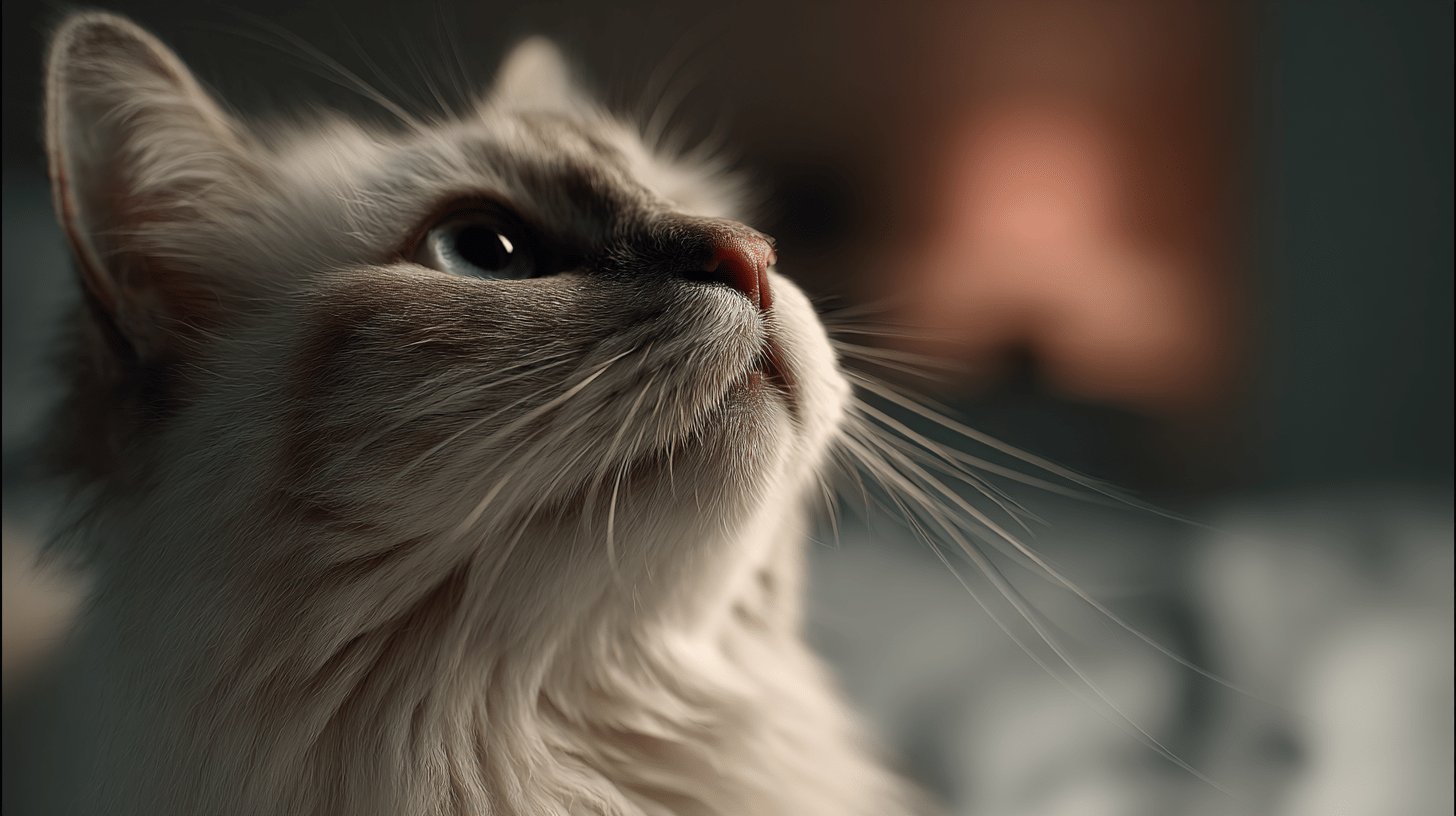
Waking at 3 AM to the sound of your senior cat howling in the hallway is something many pet parents know all too well. It is exhausting, heartbreaking, and — perhaps most of all — deeply confusing. You call out, your kitty may come to you briefly, but the moment you drift off, the meowing starts again. If this sounds familiar, please know you are not alone: nighttime meowing is one of the most common concerns veterinarians hear from owners of elderly cats.
So why does a cat who once slept peacefully through the night suddenly start vocalizing at 2 AM? As a veterinarian, I want to be clear: this is not misbehavior. In nearly every case, an old cat meowing at night is sending a distress signal rooted in physical or cognitive changes. Understanding the common reasons behind this behavior is the first step toward helping your cat find peace — and helping both of you finally get a good night's sleep.
Summary
The aging cat brain: Cognitive dysfunction syndrome
What is cognitive dysfunction syndrome?
How cognitive dysfunction affects sleep
One of the clearest signs of cognitive decline in older cats is a profound disruption of their normal sleep-wake cycle. A cat with cognitive dysfunction may sleep heavily throughout the day and then pace, vocalize, and appear genuinely confused during the night. Your cat may experience spatial disorientation — momentarily forgetting where they are in a home they have lived in for years. This confusion frequently triggers excessive meowing, particularly when the household is dark and quiet. These cats are, in essence, crying out because they feel lost and anxious in a space that no longer feels familiar.
Changes in a cat's behavior
Cognitive dysfunction is also associated with broader shifts in a cat's behavior — increased irritability, altered interactions with other pets, and a gradual loss of previously learned habits like consistent litter box use. If your elderly cat seems disoriented at night and shows other symptoms such as heavy daytime sleep and unexplained confusion, cognitive dysfunction warrants prompt veterinary evaluation.

Feline hyperthyroidism: When the thyroid glands go into overdrive
Understanding the overactive thyroid
If your older cat is howling at night, seems unusually restless, and is eating more than ever while still losing weight, feline hyperthyroidism is a strong medical suspect. This endocrine disorder is extremely common in senior cats and is typically caused by a benign growth on one or both thyroid glands.
The thyroid glands regulate your cat's metabolic rate. When they become overactive, they secrete excessive thyroid hormones, pushing your cat's entire system into an unhealthy overdrive. Imagine drinking several espressos right before bed — you would feel jittery, agitated, and entirely unable to settle. This is closely analogous to what a hyperthyroid cat experiences every single night. Thyroid problems of this kind create constant physiological overstimulation, driving increased pacing, agitation, and excessive vocalization because your cat's body simply will not allow them to rest.
Diagnosing and treating thyroid problems
In addition to nighttime meowing, an overactive thyroid commonly causes weight loss despite a strong appetite, a dull or unkempt coat, increased thirst, and in some cases, a rapid heartbeat. If your vet suspects thyroid problems, they will run a blood panel to measure thyroid hormone levels. Many cats respond well to daily medication, surgery, or radioactive iodine treatment — and successful management of this condition often dramatically reduces or eliminates nighttime cat yowling.
High blood pressure: A silent but serious cause
Systemic hypertension, or high blood pressure, is another hidden driver of nighttime distress in older cats. Unlike in humans, cats rarely develop high blood pressure in isolation; it is usually a secondary consequence of kidney disease or hyperthyroidism.
High blood pressure is frequently called a "silent killer" because it can damage sensitive organs like the eyes, kidneys, and brain long before obvious symptoms appear. When severe hypertension affects the central nervous system, it can trigger hypertensive encephalopathy — a state of serious brain dysfunction. The result is disorientation, confusion, sudden vision changes, and quite frequently, loud cat yowling through the night. Reassuringly, a single blood pressure reading at your vet visit is all it takes to rule out or confirm this condition.

Fading senses: How sensory decline drives nighttime meowing
Vision and hearing loss in elderly cats
When the dark becomes disorienting
This sensory decline feeds directly into age-related anxiety. During the day, ambient light and the activity of your household may provide enough environmental cues to keep your cat calm and oriented. But at night, when the house is pitch-black and silent, a cat with failing senses can quickly become disoriented and distressed. Cat yowling in this context is simply a cry for reassurance from you. If you have noticed your older cat bumping into furniture, missing jumps, or failing to respond when you call their name, sensory decline may be a significant driver of the nighttime vocalization.
Hidden pain: An often-missed root cause
Why cats mask discomfort
Common pain sources in senior cats
Arthritis is highly prevalent in older cats, and its effects on sleep are significant. A cat with arthritic joints may find it genuinely difficult to settle comfortably in bed, or may experience real pain when trying to climb to a favorite sleeping spot — leading to restless pacing and persistent meowing. Dental disease and severe periodontal disease can cause throbbing oral pain that disrupts sleep entirely. Gastrointestinal distress or pain from a urinary tract infection can also cause your cat to vocalize with urgency throughout the night.
Litter box issues and arthritis
One easily overlooked connection is the relationship between arthritis and litter box issues. When arthritic cats find it painful to step over a high-sided litter box, or must navigate to a box on a different floor, they may begin avoiding the litter box entirely — creating urgency and distress that becomes most apparent at night. Switching to a low-sided litter box in an easily accessible room often brings immediate, meaningful relief to arthritic senior cats.

Other medical conditions that affect older cats
Beyond the primary causes above, several other medical conditions can affect elderly cats and trigger nighttime vocalization. Kidney disease, which is extremely common among older cats, can cause nausea, increased thirst, and a general sense of malaise that disrupts restful sleep. Diabetes produces similar restlessness and physical discomfort.
In indoor cats especially, boredom and separation anxiety can also play a role alongside underlying medical issues — particularly in cats who previously had more stimulating environments or who have recently lost a companion from the household. A veterinarian with expertise in feline medicine will be best positioned to methodically rule out each of these conditions through a complete examination.
How to help your senior cat: Advice that works
Step one: Schedule a comprehensive vet visit
Never punish the meowing
Optimizing your cat's environment
For cats with vision loss or cognitive dysfunction, keeping the cat's environment as stable and predictable as possible makes a real difference. Avoid rearranging furniture, and leave a few dim nightlights on so your cat can safely navigate the house in the dark. Synthetic feline pheromone diffusers placed in rooms your cat frequents can meaningfully reduce overall anxiety and may lessen the frequency of nighttime cat yowling. For cats who remain tense or unsettled at night, daily support to support emotional balance can be a helpful addition alongside environmental adjustments and your veterinarian’s guidance.
Consider whether your cat would benefit from a cat tree or elevated resting spot positioned near your bedroom — proximity to you can ease the separation anxiety that intensifies nighttime calling in many elderly cats.
Make resources easily accessible
Building a calming evening routine
Engage your cat in gentle, interactive play in the early evening to provide meaningful mental stimulation, then follow with a satisfying meal right before your own bedtime. A full stomach and a mentally tired mind naturally promote better sleep in elderly cats. This routine is consistently one of the most effective strategies pet parents have for managing nighttime meowing — without relying on medication.

When medication can help
In some cases, medication prescribed by your veterinarian can significantly reduce nighttime vocalization and meaningfully improve your cat's quality of life. For cats with a confirmed diagnosis of cognitive dysfunction syndrome, specific medications have shown genuine benefit. For cats whose nighttime meowing stems from arthritis pain, targeted pain medication can restore restful sleep surprisingly quickly. For cats with significant anxiety, short-term medication may help stabilize behavior while longer-term environmental strategies are put in place. Always follow your veterinarian's guidance — never administer medication without professional advice, as cats metabolize many drugs very differently from dogs or humans.

The midnight meows are a message worth hearing
Understanding why elderly cats vocalize at night transforms a frustrating, sleep-depriving experience into an act of genuine advocacy for your pet. Your senior cat is not misbehaving — their nighttime meowing is telling you that something feels wrong, and they are counting on you to listen. Because these vocalizations are almost always rooted in treatable medical or cognitive conditions, addressing the underlying cause often leads to a full resolution of the behavior.
Both you and your cat deserve restful nights. With the right veterinary support, thoughtful environmental adjustments, and a little patience, any pet parents find that the midnight meows quietly fade — and that their elderly cats settle once more into peaceful, comfortable sleep. If you need personalized guidance on managing your senior cat's changing needs, you can easily consult with pet health experts to develop a tailored care plan.

Dr. Ingrid De Wet
Dr. De Wet brings 15 years of small animal expertise to personalized veterinary care through in-clinic work and emergency teleconsultations, contributing to pet health education while drawing on personal experience as a pet owner to understand the emotional and practical aspects of pet healthcare.
The information in this article is based on the following scientific publications:
- Elliott, J., & Grauer, G. (Eds.). (2006-2007). BSAVA Manual of Canine and Feline Nephrology and Urology (2nd ed.). BSAVA Publications.
- Villiers, E., & Blackwood, L. (Eds.). (2005). BSAVA Manual of Canine and Feline Clinical Pathology (2nd ed.). BSAVA Publications, Gloucester
- Horwitz, D. F., & Mills, D. S. (Eds.). (2009). BSAVA Manual of Canine and Feline Behavioural Medicine (2nd ed.). BSAVA Publications, Gloucester
- Harvey, A., & Tasker, S. (Eds.). BSAVA Manual of Feline Practice: A Foundation Manual. BSAVA Publications
- Rendle, M., & Hinde-Megarity, J. (Eds.). (2022). BSAVA Manual of Practical Veterinary Welfare (1st ed.). BSAVA Publications.
Looking for a solution? Start here
Stylla Calmness for cats
Supports relaxation and emotional balance with amino acid-based formulation
- Promotes emotional balance and relaxation
- Helps maintain balanced behaviour
- Supports healthy physiological equilibrium
Made in Switzerland with strict quality standards


