

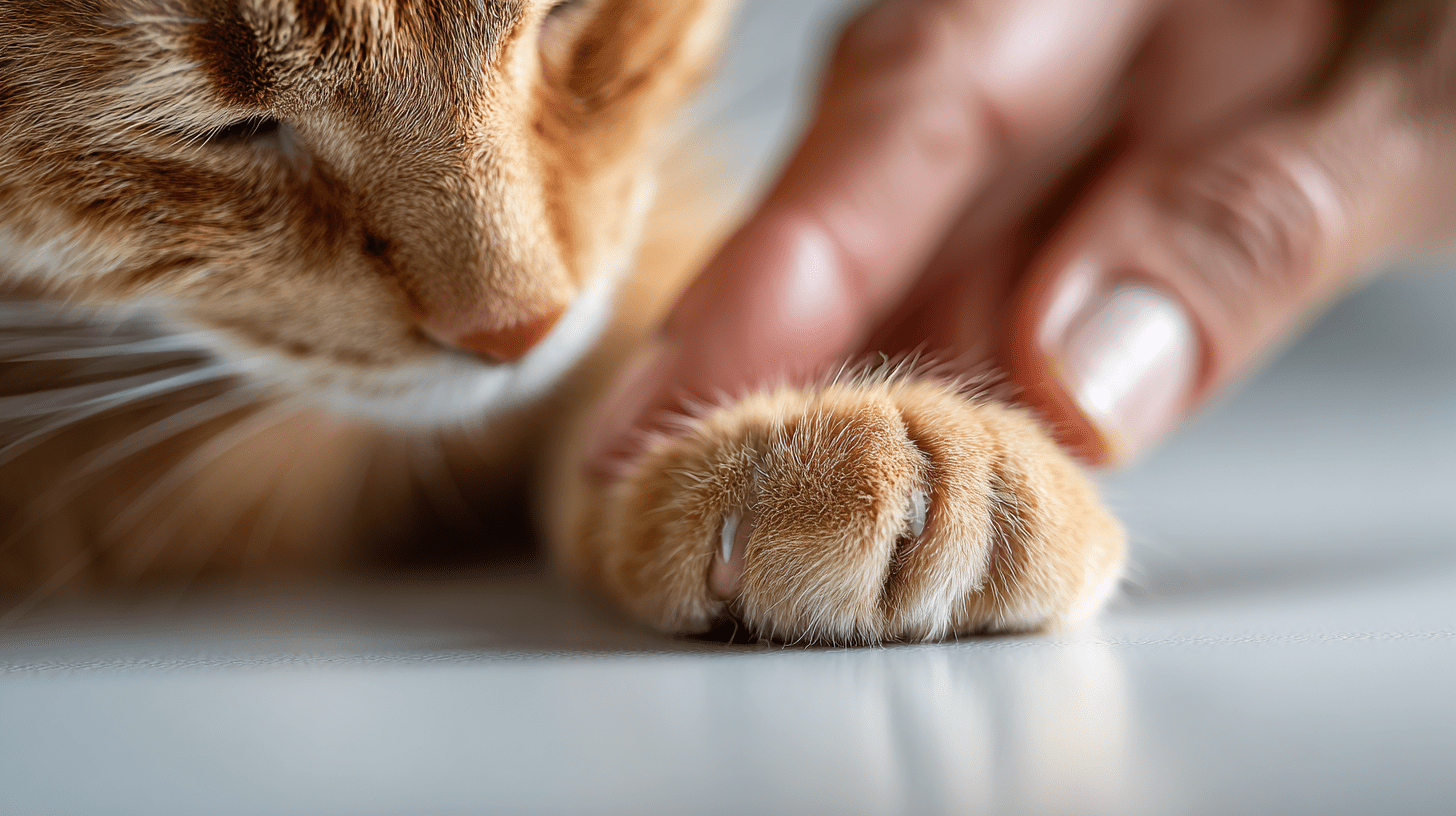
As a veterinarian, one of the most common concerns I hear from worried pet owners is: "Why is my cat limping?" Cats are celebrated for their grace and agility, so when that confident stride becomes a painful hobble, your alarm is completely understandable. What many pet owners do not realize is that your feline friend has a deeply rooted natural instinct to conceal pain. If your cat is limping or moving in a strange way, they are very likely experiencing significant discomfort they can no longer hide. This blog cat limping guide outlines a few common reasons why your cat may be limping and the steps you should take. Please note: the advice provided does not constitute medical advice regarding pets, and the advice provided does not constitute medical advice regarding your specific pet's condition. Always make an appointment with your vet for an accurate diagnosis.
Summary
Trauma: Being hit, falling, or landing wrong
Trauma — being hit, falling, or landing wrong — is one of the leading reasons why your cat may be limping. Outdoor cats face real collision risks every day, and trauma being hit, falling, or landing wrong can easily cause a sprained or broken leg. Even an indoor cat is not completely safe: landing wrong from a tall bookshelf can leave a paw sprained, or worse, a cat's leg is broken. If your cat's leg is broken, you may observe dangling limbs — and in extreme cases, dangling limbs are an unmistakable sign that you need to take your cat to the vet immediately.
Something as simple as slipping off a kitty bed onto a hard floor is another example of landing wrong on low surfaces that can seriously injure a cat's leg. Always examine your cat's paw and the affected leg, watching carefully for an open wound or any visible swelling.
Hot surfaces present another trauma risk worth knowing about. Walking across hot gravel or pavement can cause painful burns to your cat's paw pads, as can an unexpected hot surface stove hot gravel encounter in the yard. If your cat is limping after spending time outdoors, consider whether hot gravel or pavement contact could be the cause of your cat's pain, and carefully inspect the area for open wounds, swelling, or redness.

Cat bite abscesses: When another animal causes the problem
A fight with another animal is a very common cause of limping in cats that spend time outdoors. When another animal bites your feline companion, the puncture wound heals over quickly, trapping bacteria deep beneath the skin. The animal infected will typically develop a swollen, warm limb and may become noticeably lethargic over the following days. Because the puncture wound heals so rapidly, the open wound itself is easy to overlook entirely.
Fortunately, veterinary treatment to prevent infection is highly effective — it usually involves thoroughly cleaning the open wound and prescribing a course of antibiotics to prevent infection from spreading further and to prevent further injury. Make an appointment with your vet as soon as possible to prevent infection from taking hold and to protect your cat's health.
Why is my cat limping? Osteoarthritis and joint wear
Limping in cats is not always as obvious as you might expect. Degenerative joint disease, or osteoarthritis, is a prominent cause of chronic pain in older felines — and research confirms that over 22 percent of adult cats have radiographic evidence of this condition. Cats typically do not show an obvious, classic limp; instead, your beloved kitty may hesitate before jumping onto furniture, gravitate toward low surfaces, or stop using their favorite blankets and elevated resting spots altogether. Consider stylla mobility for cats to support their joints.
Obesity plays a major compounding role: an overweight cat is nearly five times as likely to develop lameness that requires veterinary care. Nail arthritis — specifically torn nail arthritis arising from overgrown nails or an infected or torn nail — adds another layer of daily discomfort. Even an ingrown claw causes pain with every step, and overgrown nails combined with even an ingrown claw are among the most frequently overlooked reasons why your cat may be limping. A targeted vet appointment and a structured weight-loss plan are two of the most impactful steps you can take for your feline friend's long-term mobility.

Hidden dangers in your cat's paw
When evaluating a limping cat, veterinarians always begin by examining the cat's paw carefully — and for good reason. A foreign object stuck between the toes — glass, a thorn, or a splinter — can cause intense, persistent pain that your cat struggles to communicate. Check for any foreign object stuck in their paw, and inspect both the front leg and back leg thoroughly for open wounds, swelling, or redness.
A front or back leg carrying a foreign object stuck in their paw will often be held in an odd position, as your cat naturally avoids placing weight on the affected leg. Left untreated, overgrown nails can curl directly into the paw pad, causing other injuries that significantly compound your cat's lameness. Feline plasma cell pododermatitis — commonly known as "pillow foot" — causes the pads to swell and appear in an odd position, which noticeably alters your cat's movements and overall gait.
Systemic causes: When cat limping points to internal disease
Not all cat limping originates from a bone or muscle problem — and this is something many pet owners are surprised to learn. A cat walking flat-footed on their hind limbs, adopting what veterinarians call a plantigrade stance, can be an early warning sign of diabetic neuropathy from poorly controlled diabetes. Hypokalemic myopathy, which is closely linked to chronic kidney disease, produces profound generalized muscle weakness that affects your cat's entire body. Both conditions require your vet to closely observe your cat's movements and carefully monitor the pet's condition over time before arriving at an accurate diagnosis.
Feline arterial thromboembolism: A life-threatening emergency
The most life-threatening cause of sudden hind limb lameness is feline arterial thromboembolism, commonly known as a "saddle thrombus." A blood clot blocks circulation to the back leg — or both hind limbs — causing sudden paralysis, intense vocalization, and dangerously cold paws. Your cat's movements will become severely compromised within minutes, and the pet's condition deteriorates with alarming speed. Take your cat to the vet immediately — contact vet cats emergency services the moment you suspect this condition.

What to do if your cat is limping
Closely monitoring your cat's reactions and your cat's movements at home is one of the most valuable things you can do before your appointment. Here is practical guidance to help your feline friend right now:
Record a video: of your cat's limping today — vet cats often mask their symptoms during examinations, so clear home footage helps your vet accurately assess your cat's leg and movement patterns.
Inspect carefully: for open wounds, overgrown nails, or a foreign object stuck in their paw, and note whether your cat's leg is being held in an odd position.
Never administer human medications: acetaminophen, in particular, is acutely toxic and fatal to cats.
Make an appointment with your vet: for a proper diagnosis, or visit the vet for limping right away if symptoms are severe or include dangling limbs.
Request a diagnostic workup: X-rays and blood tests are frequently essential tools for reaching an accurate diagnosis of the underlying cause of your cat's condition.
Limping is challenging to evaluate at home — even something as seemingly minor as a kitty bed tumble, a surface stove hot gravel burn, or an ingrown claw can escalate quickly without professional attention. Make an appointment with your vet if your beloved kitty has been limping for more than 24 hours. With the right care and a proper diagnosis, your feline companion can return to the active, comfortable life they deserve — and the cause of your cat's limping today can be fully resolved. For ongoing guidance, consult with pet health experts.

Dr. Stefan Novevski
Dr. Stefan Novevski is a licensed veterinarian at a small animal clinic specializing in internal medicine, reproduction, dermatology, nutrition, and animal welfare, who continuously updates his expertise through professional development and international clinical experience while prioritizing client education for optimal pet health outcomes.
The information in this article is based on the following scientific publications:
- Elliott, J., & Grauer, G. (Eds.). (2006-2007). BSAVA Manual of Canine and Feline Nephrology and Urology (2nd ed.). BSAVA Publications.
- Villiers, E., & Blackwood, L. (Eds.). (2005). BSAVA Manual of Canine and Feline Clinical Pathology (2nd ed.). BSAVA Publications, Gloucester
- Horwitz, D. F., & Mills, D. S. (Eds.). (2009). BSAVA Manual of Canine and Feline Behavioural Medicine (2nd ed.). BSAVA Publications, Gloucester
- Harvey, A., & Tasker, S. (Eds.). BSAVA Manual of Feline Practice: A Foundation Manual. BSAVA Publications
- Rendle, M., & Hinde-Megarity, J. (Eds.). (2022). BSAVA Manual of Practical Veterinary Welfare (1st ed.). BSAVA Publications.
Looking for a solution? Start here
Stylla Mobility for cats
Supports mobility and active lifestyle
- Helps maintain healthy joints and mobility
- Supports cartilage and connective tissue function
- Encourages an active lifestyle
Made in Switzerland with strict quality standards


