

Watching a beloved cat grow older can be heartbreaking because cats hide illness and chronic kidney disease often slips past us until damage is well advanced. Learning the cat kidney disease stages gives you the head start that makes the biggest difference in how long, and how comfortably, your cat lives.
One of the most frequent challenges senior felines face is chronic kidney failure, and understanding how the kidneys move through each stage protects your cat's quality of life.
Hearing this diagnosis can feel overwhelming, but knowledge is your greatest tool. By learning how kidney disease progresses and what to watch for at home, you can give your cat's kidneys the best care possible.
Summary
Understanding your cat's kidneys
Think of the kidneys as your cat's internal recycling and water treatment plant. Cats have two kidneys, and these paired kidneys filter waste products from the cat's blood, regulate hydration, balance minerals, and stimulate red blood cell production by signaling the bone marrow.
The kidneys also concentrate urine effectively, which is why cats — descended from desert ancestors — can produce small volumes of highly concentrated urine. The filtering work that healthy kidneys perform is done by hundreds of thousands of microscopic nephrons. Each nephron behaves like a tiny sieve, and a cat's kidneys hold these sieves in parallel.
When the kidneys lose function, the consequences ripple across the entire body. Failing kidneys cannot maintain electrolyte concentration, regulate blood pressure, or remove waste products. Damaged kidneys also stop signaling the bone marrow, so red blood cells gradually fall.
Chronic kidney disease is the continuous presence of structural or functional abnormalities in the kidneys lasting three or more months. The damaged nephrons stop working, and the surviving nephrons in the cat's kidneys work overtime to compensate. Because the kidneys are so efficient at this, a cat can lose much of their kidney function before they ever look or act sick.

Acute kidney failure vs. chronic kidney failure in cats
Not all kidney failure in cats is the same, and the distinction matters for treatment and prognosis.
Acute kidney failure (also called acute renal failure) develops over hours to days. The kidneys are usually injured by a clear event — toxin ingestion, a urinary blockage, dehydration, trauma, sepsis, or a sudden bacterial infection reaching the kidneys.
Acute kidney failure is an emergency: with rapid intravenous fluids and intensive care, some cats recover much of their kidneys' function. Acute renal failure caught early has the best outlook; delayed treatment may leave permanent kidney damage.
Chronic kidney failure, by contrast, develops over months or years. Chronic kidney failure is far more common in older cats and rarely reverses, though it can be managed for a long time. Some cats progress through these stages over years; others move from early disease to end stage kidney failure more quickly depending on diet and how early the kidney failure is caught.
Both conditions share many clinical signs once the kidneys lose their reserve, but the treatment plan and timeline differ.

The IRIS staging system explained
To help veterinarians and pet parents communicate clearly and standardize treatment, the global veterinary community relies on guidelines from the International Renal Interest Society, commonly known as IRIS.
The IRIS staging system categorizes chronic kidney disease (CKD) into four distinct stages based primarily on two substances found in the cat's blood: serum creatinine and symmetric dimethylarginine (SDMA). Creatinine is a waste product generated by daily muscle breakdown, while SDMA is a marker of renal function that is particularly useful because, unlike creatinine, it is not heavily influenced by muscle mass.
This matters in geriatric cats, who often lose muscle mass with age and can have falsely "normal" creatinine concentrations even when their kidney function is declining.
When the filters get clogged, these substances build up in the bloodstream. By measuring blood urea nitrogen (BUN), creatinine, and SDMA — along with blood pressure and urine samples for protein — your veterinarian can pinpoint which IRIS stage the kidneys are in.
Within each IRIS stage, cats with CKD can also be "substaged" based on their blood pressure and urinary protein loss (UPC ratio), because high blood pressure and protein leakage both speed CKD progression.
Stage 1: The hidden stage
In Stage 1, the kidneys are damaged but no azotemia (buildup of nitrogen-based waste products in the blood) is present. Blood creatinine remains normal at below 1.6 milligrams per deciliter, and SDMA may sit just above the reference range.
At this point, your cat will show no outward clinical signs of illness. They eat, play, hunt toy mice, and sleep in sunbeams just as they always have, which makes diagnosing CKD at this stage rare.
Stage 1 CKD is typically discovered incidentally — during a senior wellness blood panel, on an abdominal ultrasound revealing an abnormal kidney shape, or on urine tests showing the kidneys cannot concentrate urine effectively (urine specific gravity below 1.035 in cats). Catching the kidneys this early is a true gift, because early diagnosis lets treatment begin before damage progresses.
Stage 2: The whispering stage
As the kidneys progress to Stage 2, they operate at roughly 33% of capacity. Creatinine concentrations rise to between 1.6 and 2.8 milligrams per deciliter — mild azotemia.
Most cats still feel quite well in this IRIS stage, but you might notice subtle changes at home. Because the kidneys can no longer recycle water back into the body, your cat may start producing more urine, a condition called polyuria. You might suddenly notice larger or more frequent wet clumps in the litter box.
To compensate for this invisible fluid loss, your cat will likely start drinking more water, known as polydipsia. Stage 2 is the point at which dietary intervention should begin — and it is the stage that most rewards proactive CKD treatment.
Stage 3: The symptomatic stage
When a cat reaches Stage 3, kidney function has dropped significantly, and moderate azotemia is present with creatinine concentrations climbing to 2.9–5.0 milligrams per deciliter.
The buildup of waste products begins to make affected cats feel genuinely unwell, leading to a condition called uremia. You will likely notice obvious clinical signs now. Cats may become lethargic, experience vomiting, or develop a poor appetite.
Weight loss becomes apparent; research shows cats with CKD often begin losing weight up to three years before diagnosis. You might notice a dull coat or that your cat has stopped grooming.
Many cats also develop high blood pressure at this point, which silently damages the eyes, brain, and heart — which is why measuring blood pressure becomes a key part of every recheck.
Stage 4: The advanced stage
Stage 4 is the most severe phase, also called end stage kidney failure. Less than 10% of normal kidney function remains in the kidneys. Creatinine concentrations soar above 5.0 milligrams per deciliter.
The accumulation of toxins in the body is severe, and the clinical signs are profound. Cats in this stage may experience extreme weakness, severe dehydration, painful mouth ulcers, and a complete loss of appetite. Anemia often appears too, because failing kidneys produce less of the hormone erythropoietin that drives red blood cell production, so red blood cells in circulation drop.
The primary focus in Stage 4 shifts toward palliative supportive care — alleviating discomfort, managing pain, and maintaining the best possible quality of life for whatever precious time the kidneys have left.

How is kidney disease in cats diagnosed?
Diagnosing CKD relies on clinical signs, blood testing, and urinalysis, because no single test gives the complete picture of the kidneys.
Blood testing measures waste products such as blood urea nitrogen (BUN), creatinine, and SDMA; elevated levels suggest impaired kidney function. Urine tests examine urine concentration (urine specific gravity), protein, pH, and abnormal cells, all of which speak to the health of the kidneys.
Imaging — particularly abdominal ultrasound — helps assess the size and shape of the kidneys and rules out kidney stones or tumors. In rare cases, a kidney biopsy may be needed to look at kidney tissue and renal pathology directly, especially when renal disease is aggressive in younger cats.
The International Renal Interest Society (IRIS) recommends that diagnosis of chronic kidney disease integrate history, physical examination, blood data, and imaging findings. Your veterinarian will repeat blood and urine samples over several weeks to confirm changes in the kidneys are persistent — a single abnormal value can reflect dehydration.
How do I know what stage of kidney disease my cat is in?
Once your veterinarian has confirmed CKD, staging the kidneys is straightforward but requires that your cat be stable and well-hydrated.
The IRIS staging system uses fasting creatinine and SDMA as the primary anchors, then refines the picture with two substages: blood pressure and urinary protein loss. Your cat's quality of life and prognosis depend heavily on these substages — protein in the urine and high blood pressure both accelerate decline if left untreated.
Ask your veterinarian to share the exact numbers and where they fall on the IRIS chart. Knowing the IRIS CKD stage and substage gives you a concrete target for treatment and a baseline to track how the kidneys are doing at every recheck.

What causes chronic kidney failure in cats?
In most cats, the cause of kidney failure is never definitively identified, but several risk factors are well established.
Age is the single biggest risk factor: chronic kidney disease affects up to 40% of cats over the age of 10 and around 80% of cats over 15, making it one of the most common diseases of senior cats. Some breeds — Persians, Abyssinians, Siamese, and Maine Coons — carry genetic predispositions, including polycystic kidney disease in Persians, so a fair share of feline kidney failure is inherited.
Other risk factors include chronic infections, dental disease that seeds bacteria into the bloodstream, prior episodes of acute kidney failure, urinary obstructions, certain medications, and toxins. High blood pressure that goes unchecked also drives damage in the kidneys in a vicious cycle, which is why blood pressure control is part of every treatment plan.
Symptoms and clinical signs to watch for
The earliest and most reliable signs that the kidneys are struggling are increased thirst and urination, gradual weight loss, vomiting, and a fading coat.
As the kidneys move into more advanced stages of kidney disease, you may notice ammonia-scented breath, mouth ulcers, hiding, irritability, or confusion. Subtle changes — skipping a meal, sleeping in different spots, or losing interest in play — are worth tracking.
Cats with CKD in early stages often look perfectly fine to a casual observer, which is why annual blood and urine tests for cats over seven matter so much. As in human medicine, the kidneys are silent organs that only complain when much of their reserve is already gone.

Treatment and management options
Diet — the cornerstone of CKD management
The cornerstone of supporting failing kidneys is nutrition. A specialized kidney diet that is low in phosphorus and protein is crucial from Stage 2 onwards.
Cats with CKD fed a renal support diet can live twice as long as those fed a maintenance diet — one of the most striking findings in feline internal medicine. Prescription kidney diet formulas restrict phosphorus, modify protein to reduce nitrogen-based waste, and add omega-3 fatty acids that protect the kidneys and remaining kidney tissue.
Restricting dietary phosphorus is the most critical intervention, as failing kidneys struggle to excrete it and high blood phosphorus directly drives kidney damage. Prescription diets should be transitioned gradually to encourage acceptance.
Hydration support
Hydration is equally vital. Because your cat's kidneys are losing water, you must help the kidneys replace it.
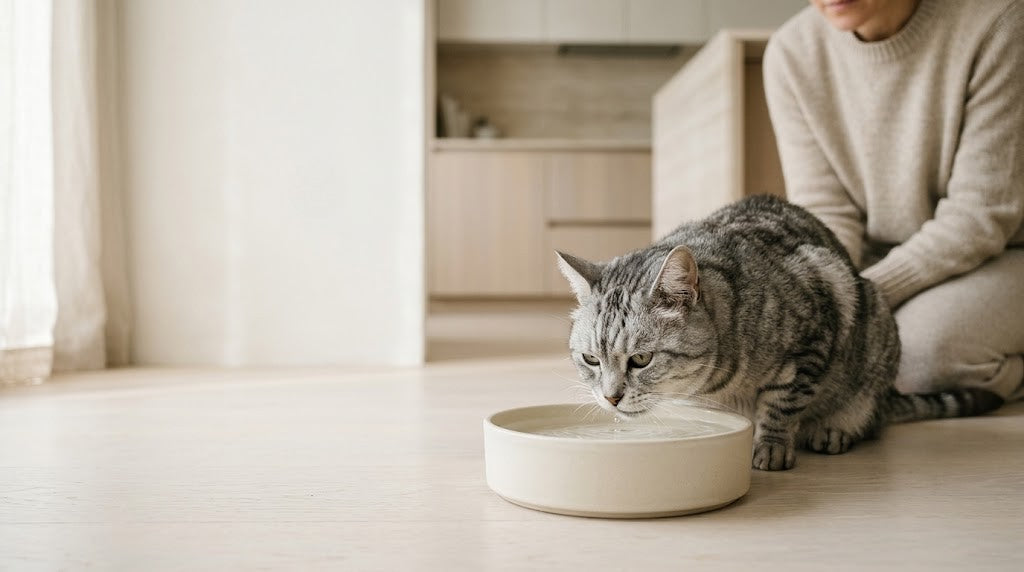
Encourage drinking by placing water stations around the house, using wide ceramic dishes that do not irritate whiskers, or using a pet water fountain — many cats with CKD prefer running water. Feeding wet food instead of dry kibble adds water and eases the workload on the kidneys.
In Stage 3 and Stage 4 disease, your veterinarian may teach you to give fluids subcutaneously (under the skin) at home; for cats with CKD, this single intervention transforms how they feel.
Medications and supportive care
Medications address specific complications of failing kidneys. Anti-hypertensives lower blood pressure when it climbs above safe limits. Phosphate binders help when diet alone cannot keep phosphorus in range.
Anti-nausea medications such as maropitant or ondansetron restore appetite when uremia causes nausea. Erythropoietin-stimulating agents may be needed in advanced disease to address anemia when red blood cells are too few. Potassium supplementation is common because the kidneys often spill potassium in dilute urine.
Routine care also includes regular dental cleanings — partnering with your veterinarian on dental health reduces the bacterial burden that can stress the kidneys.

How long can a cat live with kidney disease?
Life expectancy depends heavily on the IRIS stage at diagnosis and how aggressively the kidneys are managed.
Cats diagnosed in early stages — Stage 1 or Stage 2 — can live three to five years or longer with attentive care. Median survival for Stage 2 is roughly 38 months (over three years). Stage 3 cats live a median of nearly two years, and Stage 4 typically months.
These are medians, not ceilings: cats with CKD outlive these numbers significantly when their owners catch the kidneys early through early diagnosis, stay consistent with the prescription kidney diet, and treat complications as they arise.
How long does it take for kidney failure to progress in cats?
Progression varies enormously between cats. Some cats stay in Stage 2 for years; others slip through the stages within months.
Slowing progression depends on three pillars: diet, blood pressure control, and proactive treatment of urinary protein loss. Recheck visits every three to six months — with repeat blood testing and urine tests of the kidneys' output — let your veterinarian fine-tune therapy before complications take hold.
Subtle changes in creatinine concentrations, SDMA, urine specific gravity, or blood pressure often signal that treatment for the kidneys needs to evolve.

Can cats recover from stage 4 kidney disease?
True recovery from Stage 4 chronic kidney failure is not realistic, because the underlying nephron loss in the kidneys cannot be reversed.
However, intensive hospital care — intravenous fluids followed by aggressive home management — can sometimes pull a cat back from a Stage 4 crisis to a more comfortable Stage 3, restoring weeks or months of quality of life. The goal at this point is comfort, dignity, and meaningful time together.
Acute kidney failure layered on top of chronic kidney failure, by contrast, sometimes responds dramatically to hospital treatment of the kidneys, which is why any sudden worsening deserves an urgent visit.

Practical steps for pet owners
While we cannot cure chronic kidney failure, we can support the kidneys together to give your beloved cat a longer, happier, and more comfortable life.
Start by closely monitoring the litter box and water bowl — larger urine clumps or a faster-emptying water bowl are your earliest warnings. Track your cat's weight monthly; weight loss is one of the most reliable early indicators of struggling kidneys.
Step on a home scale while holding your cat, then step on it alone and subtract. Schedule senior wellness exams. Do not wait for your cat to look sick: regular blood and urine tests for cats over seven catch Stage 1 or Stage 2 disease in the kidneys when our treatments are most effective.
You are your cat's greatest advocate. By understanding how kidney failure unfolds and partnering with your veterinarian and pet health experts, you ensure your feline best friend enjoys a comfortable, purr-filled life by your side.

Dr. Ingrid De Wet
Dr. De Wet brings 15 years of small animal expertise to personalized veterinary care through in-clinic work and emergency teleconsultations, contributing to pet health education while drawing on personal experience as a pet owner to understand the emotional and practical aspects of pet healthcare.
The information in this article is based on the following scientific publications:
- Elliott, J., & Grauer, G. (Eds.). (2006-2007). BSAVA Manual of Canine and Feline Nephrology and Urology (2nd ed.). BSAVA Publications.
- Villiers, E., & Blackwood, L. (Eds.). (2005). BSAVA Manual of Canine and Feline Clinical Pathology (2nd ed.). BSAVA Publications, Gloucester
- Horwitz, D. F., & Mills, D. S. (Eds.). (2009). BSAVA Manual of Canine and Feline Behavioural Medicine (2nd ed.). BSAVA Publications, Gloucester
- Harvey, A., & Tasker, S. (Eds.). BSAVA Manual of Feline Practice: A Foundation Manual. BSAVA Publications
- Rendle, M., & Hinde-Megarity, J. (Eds.). (2022). BSAVA Manual of Practical Veterinary Welfare (1st ed.). BSAVA Publications.
Looking for a solution? Start here
Stylla Hydration for cats
Supports optimal hydration with amino acid-based formulation
- Encourages drinking with amino acid flavour enhancers
- Supports urinary health through increased water intake
- Promotes kidney function with specialised ingredients
Made in Switzerland with strict quality standards


