

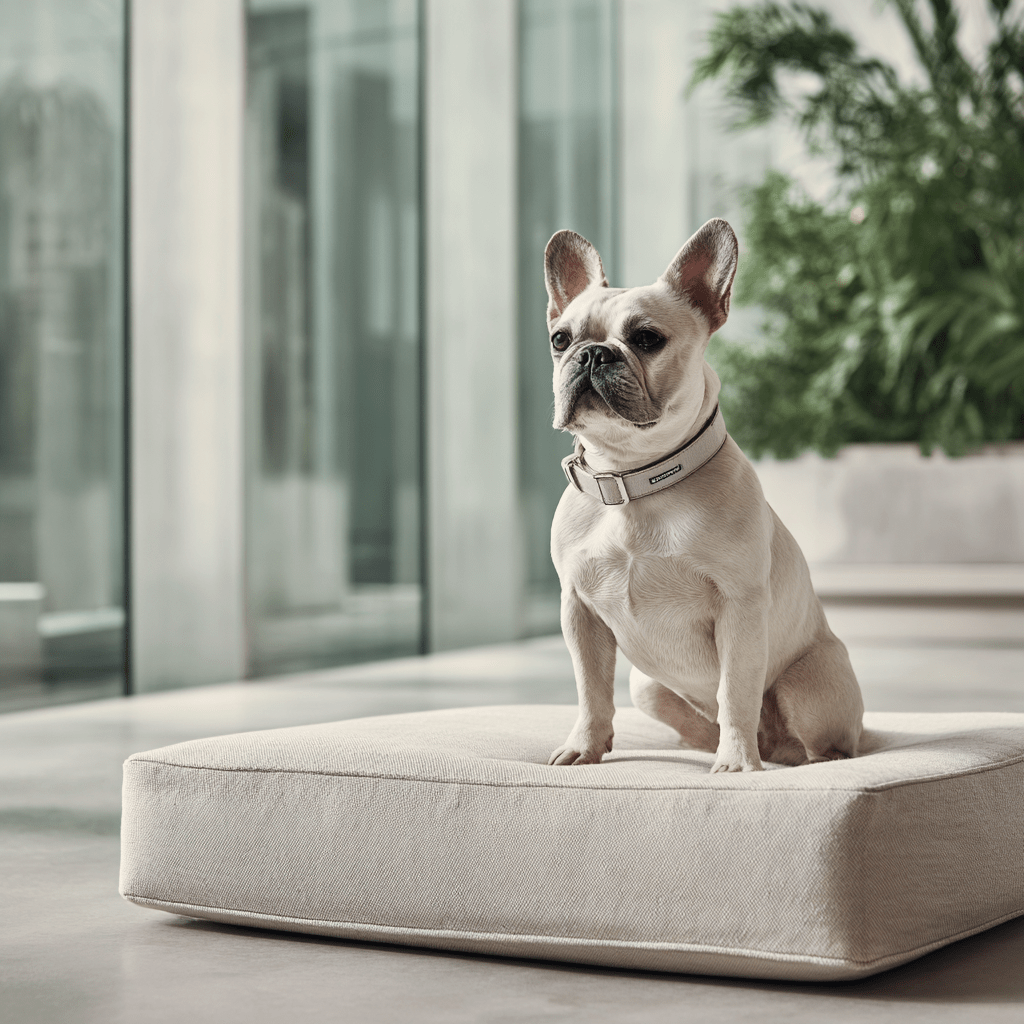
Walking your dog represents one of the foundational elements of pet ownership—it's where the human-animal bond blossoms, energy gets spent, and the world opens up for exploration. Those daily walks prove crucial for your dog's mental stimulation, emotional health, and physical well-being.
More than just a potty break, each outing becomes an opportunity for training and deepening your connection. Because walking plays such a vital role, choosing the right gear for your dog—the collar, harness, and leash—determines whether every walk remains safe, comfortable, and communicative for both you and your canine companion.
Selecting the best gear isn't just about style; it's a critical health decision rooted in anatomy, behavior, and safety principles.
Summary
Why your gear matters more than you think: The science of comfort and safety
The primary goal of any training gear worn during your walks should be communication and safety, never restraint. When most dogs endure discomfort or pain from ill-fitting or inappropriate equipment, their quality of life suffers significantly, stress levels rise, and they may develop unnecessary protective or aggressive behaviors that affect interactions with other dogs and people.
Understanding the risks of neck collars
When your dog pulls or lunges, a standard neck collar applies direct pressure to your dog's neck and throat area. This presents a real problem because the neck houses vital structures, including the trachea (windpipe), thyroid gland, and delicate nerves.
If your dog frequently pulls on the leash, this continuous pressure can worsen pre-existing conditions or create new pain in your dog, leading to discomfort that extends well beyond the immediate walk. For small dogs especially, the pressure on delicate structures can trigger respiratory issues or damage to your dog's throat.
Health concerns amplified by improper equipment
This concern becomes even more significant in specific health contexts. For instance, if your dog is predisposed to neck or spinal issues, such as those with Chiari-like malformation or Wobbler’s Disease ( neurological conditions affecting the neck), you should avoid a traditional neck collar entirely and use a training harness instead to prevent increased pain or clinical signs.
Additionally, tension from pulling can compress soft tissues, including potential trigger points or fat deposits, resulting in discomfort or reduced mobility. By prioritizing equipment that distributes pressure away from these sensitive areas and helps distribute weight across your dog's body, you're choosing a form of care that promotes your dog's comfort and reduces unnecessary stress.

Understanding collar types: When and how to use them
The two-finger collar rule for a secure fit
What is the 2-finger collar rule? This essential fitting guideline ensures your dog's collar stays neither too tight nor too loose.
When you fasten the collar around your dog's neck, you should be able to comfortably fit two fingers between the collar and your pet's neck. This provides enough room for comfort and breathing while maintaining a secure fit that prevents the collar from slipping over your dog's head.
Check this fit regularly, especially with a new dog or growing puppy, as weight changes can affect the proper fit.
Martingale collar: A limited-slip option
A martingale collar offers a compromise between standard flat collars and training tools. This style features a limited-slip design that tightens slightly when your dog pulls but cannot constrict completely like choke chains.
While martingale collars work well for breeds with narrow heads (like Greyhounds) that might slip out of regular collars, they still apply pressure to your dog's neck and shouldn't replace a proper training harness for leash training or dogs who pull consistently.
Breakaway collars for safety
Breakaway collars come designed with a safety release mechanism that opens if the collar gets caught on objects, preventing choking or injury. These collars prove particularly important for pets who spend time unsupervised outdoors or in environments where the collar might get snagged.
While breakaway collars excel at preventing accidents, they're not suitable for leash attachment during walks since they're designed to release under pressure. If you own cats, note that breakaway collars are especially crucial for feline safety, as cats tend to climb and explore tight spaces where collars can become caught.
How to choose the right collar for your dog
When selecting a collar, consider your dog's lifestyle, behavior, and physical characteristics.
For identification purposes when wearing ID tags, a flat buckle collar with reflective trim provides a secure attachment point and extra visibility during evening walks. Small dogs and puppies benefit from lightweight collars that won't burden their developing bodies.
For training purposes or if your dog pulls, skip the collar entirely and opt for a harness instead. Always ensure the collar has a secure clasp and check the fit regularly—collars that fit too loosely can slip off, while tight collars cause discomfort and restrict breathing.

Harnesses: The gold standard for training gear and daily walks
A harness avoids placing strain directly on your dog's neck, distributing pressure across the chest and shoulders instead. This makes harnesses the right equipment for walking, especially for dogs prone to pulling or those with underlying neck or spine concerns.
Most dogs will benefit from transitioning to a harness for regular walks and leash training sessions.
Types of training harness designs
Back-clip harnesses
These clip at the top of your dog's back, making them suitable for dogs who have mastered loose leash walking and don't pull significantly. While safer than a neck collar, the clip placement may unintentionally encourage a pulling action as it positions your dog to lean forward.
Back-clip designs work well for calm, well-trained pets but aren't the best gear for dogs still learning leash manners.
Front-clip harnesses (front attachment)
For leash training and helping reduce pulling, a front-clip harness comes highly recommended as a game changer. The clip sits on your dog's chest, and when your pup attempts to pull forward, the leash connection gently redirects their motion back toward you as the owner.
This physical redirection serves as a mild, non-aversive corrective action that helps your dog learn loose leash walking more quickly, improving control over forward movement without applying pressure to sensitive neck structures.
Dual-clip harnesses
No-pull harnesses
Choosing a secure harness with proper fit
The critical factor, regardless of the style you choose, is proper fit. A secure harness must be fitted correctly for your dog's comfort and to ensure it doesn't restrict movement, impede breathing, or cause chafing. An uncomfortable harness will make walks unpleasant for your pet and may lead to behavior issues.
When fitting a harness, you should be able to fit two fingers under the straps, similar to the collar rule. The harness should sit snugly against your dog's body without pinching, rubbing, or allowing excessive movement that could cause your dog to slip out. Check all attachment points and buckles to ensure they're secure before each walk.
For a new dog or puppy, reassess the fit weekly during growth periods.
Adjustable straps serve as key features that allow you to customize the fit as your dog grows or if their weight changes. Look for harnesses with multiple adjustment points to achieve a truly secure fit that won't shift or rotate during walks. Many top pick brands offer sizing guides and videos to help you as an owner achieve the perfect fit.

Headcollars: Specialized tools for training and control
Headcollars (or head halters) such as the Gentle Leader or Halti offer greater control and help redirect your dog's attention back to you as the handler, which proves particularly useful during training sessions. These tools allow for precise control of your dog's head, which in turn influences the rest of the body's movement and can significantly reduce pulling.
It's crucial to use headcollars only after proper introduction and training, ensuring your dog associates them with positive reinforcement through treats and praise. Never employ headcollars forcefully or as punishment.
While headcollars prove effective training gear for some dogs, they require patience during the acclimation period. Some pets never fully accept wearing a headcollar, making a front-clip harness a better choice for those individuals.
The unacceptable tools: Why aversive devices harm your dog
In modern veterinary behavioral medicine, equipment designed to inflict pain or discomfort to curb unwanted behavior receives strong professional discouragement and is widely considered unacceptable practice.
Devices like choke chains, prong collars, and electronic (shock) collars should be avoided entirely. These aversive tools rely on positive punishment (adding an unpleasant stimulus to reduce unwanted behavior) or negative reinforcement (removing a negative stimulus when the desired behavior occurs).
The harmful consequences of punishment-based equipment
Scientific evidence demonstrates that training methods relying on fear and anxiety, pain, or intimidation carry severe negative consequences:
Increased anxiety and aggression: punishment techniques increase fear, stress, and frustration in your pets. This can trigger undesirable defensive reactions, including aggression toward other dogs and people. If your dog associates discomfort with a nearby person or animal while being corrected, they may redirect their fear or pain onto that target, leading to bites or lunging.
Damaged bond: punishment severely damages the trusting relationship between you and your dog, potentially leading to long-term anxiety or fear of you as the owner.
Ineffectiveness: aversive methods don't teach your dog what behavior is acceptable; they only attempt to stop the undesirable action. Conversely, positively rewarding good behavior with treats and verbal praise proves far more effective and builds skills based on trust and clear communication.
Choosing the right gear for your dog means selecting equipment that enhances the training process through positive methods rather than equipment designed to cause discomfort. The right tools make training easier and strengthen your bond rather than creating fear or resistance.

Leash selection: Standard vs. hands-free options
Standard 4–6 foot leash
This remains the top pick for most training scenarios and daily walks. A standard leash provides predictable and consistent communication, allowing you as the handler to maintain better control and ensure clearer cues during walks and training.
The fixed length helps your dog learn proper walking boundaries and makes it easier to practice loose leash walking techniques.
Hands-free leash
For active owners who jog, hike, or need their hands available during walks (perhaps walking multiple dogs or pushing a stroller), a hands free leash that attaches around the waist offers convenience. These leashes work well for dogs who already demonstrate good loose leash behavior but can be challenging for dogs who pull, as the attachment point provides less direct control.
When using a hands free leash, pair it with a front-clip harness to help reduce pulling and maintain better walk control.
Why to avoid retractable leashes
While popular, retractable or "flexi" leashes generally don't receive professional recommendation for training or urban walks. These leashes teach your dog to pull (since tension triggers the release of more line) and provide inconsistent communication about boundaries.
Additionally, the thin cord can cause injuries if it wraps around a person, dog, or other object. The mechanical housing can also malfunction, and if dropped, the noise and movement as it retracts can frighten your pet.
For the best gear setup, use a standard 4–6 foot leash attached to a secure harness during training and walks where control matters. Save the hands free leash for recreational activities once your dog has mastered loose leash walking.

Additional accessories: Enhancing comfort and safety
Dog boots for paw protection
Dog boots protect your pet's paws from extreme temperatures (hot pavement in summer, ice and salt in winter), sharp objects, and rough terrain. While not all dogs need boots for every walk, they're valuable accessories for urban walks on hot sidewalks, winter conditions, or hiking rocky trails.
Introduce boots gradually with positive reinforcement and treats, as most dogs initially find wearing boots uncomfortable and unusual. Choose boots with secure closures and non-slip soles for the best protection and traction.
Reflective trim and visibility accessories
For evening walks or low-light conditions, gear with reflective trim significantly enhances safety by making your pet more visible to cars and other people. Many modern harnesses, collars, and leashes incorporate reflective materials.
Additional accessories like LED collar lights or reflective vests provide extra visibility and can serve as game changers for safety during early morning or evening walks.
Protective collars: Cone vs. inflatable options
Is a cone or inflatable collar better for dogs? When your pet needs protection from licking wounds or surgical sites, you'll need to choose between the traditional plastic cone (Elizabethan collar) and inflatable alternatives.
The cone provides more comprehensive protection and prevents your dog from reaching any part of their body, making it the right choice after surgery or for serious wounds. However, cones can be uncomfortable, make it difficult for your dog to eat, drink, or navigate spaces, and often cause stress.
Inflatable collars, resembling a soft donut around the neck, allow better peripheral vision, easier eating and drinking, and more comfortable rest. However, they don't prevent all dogs from reaching certain areas—flexible pets may still access their paws, tail, or rear.
The best gear choice depends on your dog's flexibility, the location of the wound or surgical site, and your pet's tolerance. Some owners find inflatable collars work well for minor issues, while cones remain necessary for more serious cases.
ID tags and identification
Secure ID tags attached to your dog's collar serve as essential safety equipment. Your tags should include your pet's name, your phone number, and any critical medical information.
Even if your dog has a microchip, visible ID tags allow anyone who finds a lost pet to contact you immediately without needing to visit a veterinarian or shelter. Use durable tags that won't fade or break, and ensure they're attached with a secure ring that won't open accidentally.
How to choose the right toys for your dog
While not walking gear, toys remain important accessories that contribute to your dog's overall well-being and can serve as valuable training tools. How to choose the right toys for your dog? Consider your pet's size, age, play style, and chewing strength.
Small dogs need appropriately sized toys that won't pose choking hazards, while powerful chewers require durable options that won't break apart.
Interactive toys that dispense treats can make excellent training tools and provide mental stimulation. Soft toys work well for gentle players and puppies, while rubber toys and rope toys suit more vigorous play.
Rotate toys regularly to maintain interest, and always supervise your pet with new toys to ensure they're safe and appropriate. Avoid toys with small parts that could be swallowed or become caught in your dog's throat.
For leash training specifically, keeping a few small, high-value treats in your pocket serves as a powerful training tool. Reward your pup for walking nicely with the loose leash, reinforcing good behavior rather than punishing pulling.

Safety equipment: Crates, car restraints, and muzzles
Crate training and transport
A properly sized crate serves as a safe space for your dog and ensures secure car travel. The crate should provide enough room for your pet to stand, turn around, and lie down comfortably but not so much space that it loses its den-like feel.
Crates function as essential training tools for housebreaking puppies and provide a secure space for dogs who feel anxious. During car travel, a secure crate prevents injury in case of accidents and keeps your pet from distracting the driver.
Car safety restraints
For dogs who don't travel in crates, car harnesses attached to seatbelts provide crucial safety. These harnesses prevent your pet from being thrown during sudden stops and keep them from moving around the vehicle, which could distract the driver or cause injury.
Choose car harnesses specifically designed for vehicle use, as regular walking harnesses may not provide adequate crash protection. Never allow your pet to ride with their head out the window despite the cute appeal—debris can injure eyes, and your dog could be thrown from the vehicle.
Basket muzzles: Non-punishment safety tools
While generally not used for daily walking, the basket muzzle functions as a non-punishment device essential for safety in dogs with known or suspected bite risks. Muzzles prevent injury to other dogs, people, and even veterinary staff during stressful procedures, while allowing your dog to pant (regulate temperature), drink, and accept treats.
Proper conditioning with positive reinforcement ensures the muzzle gets seen as a protective safety tool, never a punishment. All dogs should be gradually trained to accept wearing a muzzle as a life skill, as emergency situations (injuries requiring veterinary care) may necessitate one even for typically friendly pets.

Training philosophy: Building skills through positive methods
Your training and control should be achieved through methods that promote positive emotional states. When working on leash training and loose leash walking, focus on rewarding the behavior you want rather than punishing what you don't want.
Use high-value treats to mark and reward moments when your dog walks calmly beside you with a loose leash. Practice in low-distraction environments before progressing to more challenging situations with other dogs, people, or urban walks with many stimuli. Watch your dog’s dog body language during training.
Consistency remains key—all family members should use the same cues and reward system to avoid confusing your pet.
If your new dog or puppy struggles with pulling despite using the best gear, consider working with a professional trainer who uses positive reinforcement methods. These experts can provide personalized guidance for your specific situation and help you and your pet develop better walk behavior together. If you’d like veterinary input on pain, stress, or gear choices, you can consult with pet health experts.
Remember that behavior issues often stem from unmet needs—ensure your dog receives adequate physical exercise, mental stimulation through training and interactive toys, and socialization opportunities with other dogs and people. A tired, mentally stimulated dog typically becomes a better-behaved dog.
Creating your perfect gear setup: Practical recommendations
Not all collars, harnesses, and leashes are created equal. Quality, fit, and design matter significantly in terms of safety, durability, and effectiveness. Here's how to build your ideal gear collection:
For identification and daily wearing: a flat buckle collar with IDtags, fitted using the two-finger rule, with reflective trim for visibility. Breakaway collars may be appropriate for certain situations where your pet’s collar might get caught.
For walking and training: a secure harness with front attachment point to help reduce pulling and teach loose leash walking. Ensure proper fit with adjustable straps that allow two fingers of space without allowing escape.
For leash control: a standard 4–6 foot leash for training and most walks. Consider adding a hands free leash for running or hiking once your dog demonstrates good behavior.
For safety: ensure all gear has secure, high-quality clips and buckles. Replace worn equipment promptly, and check all attachment points before each walk.
For specific needs: dog boots for extreme temperatures or rough terrain, reflective accessories for low-light conditions, and properly conditioned muzzles for dogs requiring bite prevention.
When shopping for gear, research brands known for quality and durability. Read reviews from other owners with similar-sized dogs, and don't hesitate to ask staff at pet stores for fitting assistance. While style and cute designs might catch your eye, prioritize function, safety, and your dog's comfort above aesthetics.

Your action plan for better walks and a stronger bond
The partnership between you and your dog thrives on positive interaction and mutual understanding. By choosing the right gear for your dog, you lay the foundation for a safer, happier life together.
Prioritize the harness: select a training harness, preferably one with front attachment, over a traditional neck collar for walking to prevent potential injury to your dog's neck and throat, especially if your pet pulls.
Avoid aversive tools: never use choke chains, prong collars, or electronic (shock) collars. These devices inflict pain, undermine trust, and prove counterproductive to establishing good behavior. Choose the right tools that work with your dog, not against them.
Ensure perfect fit: routinely check that collars and harnesses provide a secure fit using the two-finger rule for comfort, ensuring equipment doesn't restrict movement, breathing, or circulation. Reassess fit regularly for puppies and after weight changes.
Keep it consistent: use a standard-length leash (4–6 feet) during training and most walks to provide predictable and clear communication regarding movement and boundaries.
Train with positivity: if behavior issues like pulling arise, address them with positive reinforcement training using treats and praise, reinforcing desired behavior instead of punishing negative actions, thereby strengthening the irreplaceable bond you share with your pet.
Invest in quality: choose durable, well-made equipment from reputable brands. Quality gear lasts longer, functions better, and provides superior safety compared to cheap alternatives.
Prioritize safety: useID tags, consider breakaway collars when appropriate, add reflective trim for visibility, and use proper car restraints or crates during transport.
Match gear to lifestyle: consider your specific walking environment, your dog's behavior and training level, and your lifestyle needs when selecting equipment. Urban walks require different tools than rural hiking trails.
The right gear makes every walk a better walk—more enjoyable for you, more comfortable for your dog, and safer for everyone involved. When you invest time in choosing the right equipment and using it properly, you're investing in your pet's health, happiness, and the quality of your relationship. These tools aren't just accessories; they're the key to successful training, safe adventures, and countless positive experiences together.
By prioritizing your dog's comfort, using equipment that distributes weight and pressure appropriately, and committing to positive training methods, you'll discover that walks become the highlight of both your days. The right tools, paired with patience, consistency, and genuine care, transform routine potty breaks into opportunities for bonding, training, and joy. Your dog deserves equipment that protects their physical health while supporting their behavioral development—and with the guidance in this article, you now have the knowledge to provide exactly that.

Dr. Ingrid De Wet
Dr. De Wet brings 15 years of small animal expertise to personalized veterinary care through in-clinic work and emergency teleconsultations, contributing to pet health education while drawing on personal experience as a pet owner to understand the emotional and practical aspects of pet healthcare.
The information in this article is based on the following scientific publications:
- Elliott, J., & Grauer, G. (Eds.). (2006-2007). BSAVA Manual of Canine and Feline Nephrology and Urology (2nd ed.). BSAVA Publications.
- Villiers, E., & Blackwood, L. (Eds.). (2005). BSAVA Manual of Canine and Feline Clinical Pathology (2nd ed.). BSAVA Publications, Gloucester
- Horwitz, D. F., & Mills, D. S. (Eds.). (2009). BSAVA Manual of Canine and Feline Behavioural Medicine (2nd ed.). BSAVA Publications, Gloucester
- Harvey, A., & Tasker, S. (Eds.). BSAVA Manual of Feline Practice: A Foundation Manual. BSAVA Publications
- Rendle, M., & Hinde-Megarity, J. (Eds.). (2022). BSAVA Manual of Practical Veterinary Welfare (1st ed.). BSAVA Publications.
Looking for a solution? Start here
Stylla Mobility for dogs
Supports mobility and active lifestyle
- Helps maintain healthy joints and mobility
- Supports cartilage and connective tissue function
- Encourages an active lifestyle
Made in Switzerland with strict quality standards


