

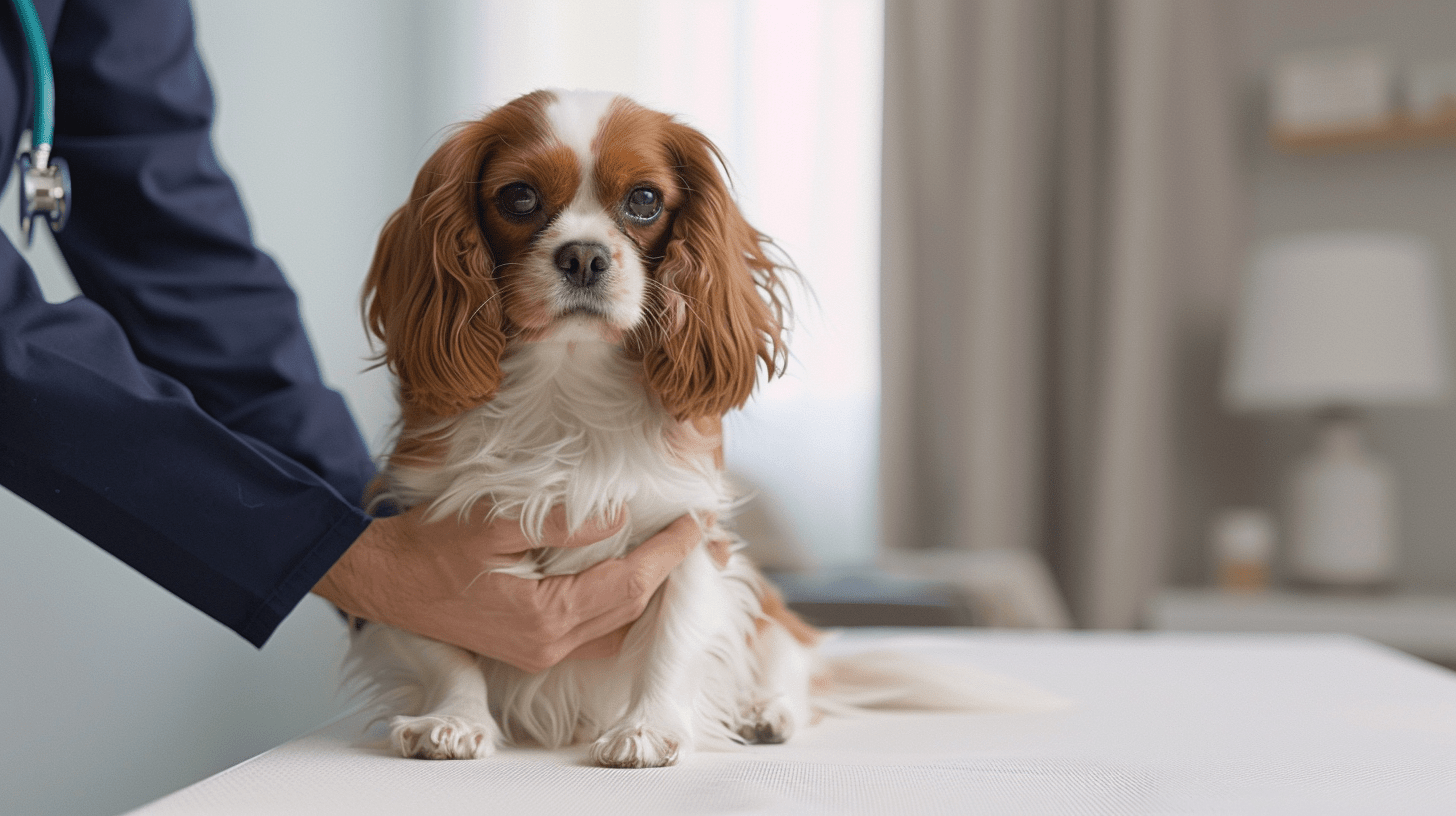
We all know that moment: the trembling body, the tucked tail, the frantic pacing when a storm rolls in or a visitor arrives. Seeing your beloved dog distressed is one of the most difficult experiences for you as a pet parent, and it triggers a natural, protective instinct to help them feel safe. As veterinarians, we understand that fear and anxiety are pervasive challenges that dramatically impact your dog's quality of life. Our profession has increasingly prioritized emotional well-being, recognizing that managing your dog's anxiety is just as critical as treating physical disease.
Chronic anxiety and fear weaken the bond you share with your pet and often stand in the way of a long, healthy life. Fortunately, modern veterinary science offers many effective, evidence-based strategies—from calming treats to prescription medications—that can help your dog cope, thrive, by finding the best anti-stress solution for your dog that is tailored to their unique needs.
Summary
Understanding canine stress: Why it matters
At its core, stress is a biological mechanism—your dog's body reacting to a perceived threat or challenge, known as a "stressor." While fear is an immediate response to an identifiable stimulus, anxiety is the anticipation of a future threat, whether real or imagined. When your pet lives in a state of continuous anxiety, this constant emotional turmoil significantly compromises their physical health. The activation of the sympathetic nervous system can disrupt the gut barrier, induce widespread inflammation, and negatively alter your dog's gut microbiome composition.
Beyond these internal biological consequences, uncontrolled stress directly undermines treatment outcomes for other diseases. Stress can heighten your dog's pain sensitivity, potentially making chronic pain conditions worse and even reducing the efficacy of pain relievers. Furthermore, an anxious dog may exhibit increased reactivity, manifesting as hypervigilance, excessive vocalization, pacing, or difficulty focusing—behaviors that strain the human-animal bond and sometimes lead to relinquishment for adoption by a new family.
Therefore, addressing your dog's anxiety at its root is not merely a kindness; it's a foundational medical necessity for their overall health.

Building the foundation: Environment and lifestyle
Successfully managing your dog's anxiety always begins with proactive environmental management and avoiding punishment, these are universally recognized as the most crucial first steps. The ultimate goal is to enhance your pet's sense of predictability and control, replacing uncertainty with security in their daily life.
Creating consistency and calm
Consistency and predictability are paramount, as inconsistencies in rules, interactions, or routines easily contribute to your dog's anxiety. Begin by ensuring everyone in your household uses agreed-upon cues and follows routines diligently.
A crucial component of this foundation is enriching your pup's daily life, mitigating frustration, and channeling their energy productively:
Mental exercise through feeding: treat-dispensing toys and puzzle feeders turn mealtime into a stimulating activity requiring mental effort. This prolonged engagement helps occupy your dog and can actually decrease food-seeking behaviors (begging), especially in overweight dogs, thereby reinforcing the positive owner-pet relationship without relying on high-calorie calming treats.
The power of movement: regular, controlled physical activity plays a critical role in helping your pet relax and promoting healthy muscle tone. Exercise supports cardiovascular fitness and strengthens the bond you share with your dog. For highly energetic or working breeds, ensuring they receive appropriate, intensive aerobic activity is necessary to prevent frustration and reduce anxiety effectively.
Safe havens and boundaries: every dog needs a designated safe place, often a crate or pen, equipped with comfortable bedding and calming elements like soft lighting or classical music. Regular training using positive reinforcement should establish this area as a retreat rather than punishment, enabling your dog to cope better when stressors occur. Using baby gates or closed doors to manage access can prevent situations where your pet feels overwhelmed by too much stimulation.

What do vets recommend for dog anxiety?
Behavioral supplements and calming treats
Calming treats have become increasingly popular and can be beneficial for mild to moderate situational anxiety in your dog. These supplements often contain ingredients that promote calmness by supporting your pet's brain chemistry:
L-theanine: this amino acid, found naturally in green tea, promotes relaxation without sedation in your dog. L theanine works by increasing calming neurotransmitters like GABA and serotonin in your dog's brain, helping to reduce anxiety while maintaining alertness. It's commonly included in behavioral supplements for its mood-stabilizing properties.
L-tryptophan: another essential amino acid, L-tryptophan serves as a precursor to serotonin—the neurotransmitter crucial for regulating your dog's mood and sleep. Supplementation may help anxious dogs achieve better emotional balance, particularly when dealing with separation anxiety or noise phobias.
Thiamine (vitamin B1): this vitamin plays a vital role in brain function and nervous system health. Thiamine deficiency can contribute to neurological signs in your dog, and supplementation may support cognitive function in stressed pets.
Casein (milk protein): derived from milk, certain casein peptides may have calming properties, though dogs with sensitive stomachs or allergies should be monitored carefully for any adverse reactions.
When selecting calming treats for your dog, talk to your vet about which formulation best suits your dog's specific anxiety profile and severity. Remember that supplements work best when you combine them with behavior modification and environmental management strategies.

What is the most effective calming treat for dogs?
The most effective calming treat depends on your individual dog's anxiety severity and triggers. For mild anxiety—such as occasional car rides or brief vet visit stress—over-the-counter calming treats containing L-theanine and thiamine may provide sufficient anxiety relief for your pet. These products promote calmness without causing sedation, allowing your dog to remain alert while feeling more relaxed.
For moderate situational anxiety, treats or supplements combining multiple amino acid ingredients (L-tryptophan, L-theanine, and casein) often yield better results for your dog. The idea is to support multiple neurotransmitter pathways simultaneously, providing more comprehensive anxiety relief.
However, for severe anxiety, chronic behavioral disorders, or intense noise phobias, calming treats alone are rarely sufficient to manage your dog's condition. In these cases, prescription medications become necessary to reduce anxiety to a level where your dog can actually benefit from training and counter-conditioning exercises.
Natural options: essential oils and calming pheromones
Some pet parents explore natural alternatives like essential oils or calming pheromones for their anxious dogs. Dog Appeasing Pheromone (DAP) products mimic the calming pheromones naturally produced by nursing mother dogs and can help reduce anxiety in some pets, particularly during separation anxiety episodes or stressful transitions. These products come as diffusers, collars, or sprays that you can use in your home.
Essential oils require extreme caution when you're considering them for your dog. While humans commonly use lavender or chamomile for relaxation, many essential oils are toxic to dogs, and even "safe" oils can cause adverse reactions in pets with sensitive stomachs or respiratory issues. Never apply essential oils directly to your dog's body, and always consult your veterinarian before introducing any essential oils into your pet's environment.
The role of nutrition in managing anxiety
The connection between what your dog eats and their mental state is profound and shouldn't be overlooked. Obesity, an increasing problem in dogs and cats, is recognized as a major contributor to inflammation and chronic illness. For instance, Labrador Retrievers maintained at a lean body condition, live significantly longer than their overweight counterparts, underscoring that optimal nutrition is essential for maximizing quality and length of life for your dog. This reflects the gut-brain connection.
Nutritional support for cognitive function
For older dogs showing signs of cognitive decline or increased anxiety (often associated with cognitive dysfunction syndrome), specialized nutritional components may offer support:
Medium-chain triglycerides (MCTs): these unique fats are easily broken down into fatty acids that can cross the blood-brain barrier, providing an alternative, highly efficient energy source to your dog's brain. This is crucial for pets with neurological issues where energy metabolism may be impaired. Studies suggest that MCT supplementation can improve cognitive function in your dog and may help reduce seizure activity at night.
Targeted nutrient cocktails: a diet supplemented with antioxidants, B vitamins, arginine, and fish oil (rich in omega-3 fatty acids like EPA and DHA) has been shown to enhance cognitive function in old dogs, sometimes within the first month of implementation. Omega-3 fatty acids are known for their anti-inflammatory properties, providing systemic benefits that support your dog's brain health.
Feeding practices: to prevent unintended weight gain in your dog, always measure your dog's daily food portion by weight (grams) using a kitchen scale, rather than volume (cups). Measuring cups are highly inaccurate and can lead to significant overfeeding, predisposing your dog to obesity and related health complications.

What is the best stress reliever for dogs?
The best anti-stress for dogs is a comprehensive, individualized approach that addresses your dog's unique anxiety triggers and severity. There's no single magic solution—instead, effective anxiety relief comes from combining multiple strategies tailored to your pet's needs:
Environmental management: creating predictability through consistent routines, providing safe spaces, and using enrichment activities forms the foundation of anxiety management. This holistic approach reduces overall stress levels and helps your dog feel more secure in their daily environment.
Behavioral supplements: for mild anxiety, supplements and calming treats containing L-theanine, L-tryptophan, and other calming ingredients can be helpful when you use them consistently and in conjunction with behavior modification techniques.
Prescription medications: for moderate to severe anxiety, anxiety medications prescribed by your vet become essential tools in managing your dog's condition. These medications don't just mask symptoms—they reduce emotional arousal enough that your dog can actually learn new, calm behaviors through training programs.
Professional training: working with a veterinary behaviorist or certified trainer who uses positive reinforcement methods helps your dog develop coping skills and confidence in challenging situations.
The most effective treatment plan typically involves selecting from this menu of options based on your dog's specific needs, always under veterinary guidance and supervision.
Partnering with your veterinarian: Medical tools
Understanding dog anxiety medication options
Situational anxiety medications
For situational stress, such as fear during a vet visit, car rides, or road trips, pre-event medications are often recommended for your dog:
Gabapentin: originally developed as an anti-seizure drug, gabapentin is commonly prescribed for situational anxiety in dogs. A single dose administered at home 2-3 hours before transport can significantly decrease signs of stress during the car ride and hospital visit for your pet.
Trazodone: this medication has both anxiolytic (anti-anxiety) and mild sedative properties that can benefit your anxious dog. Given 1-2 hours before a stressful event, trazodone helps your dog remain calm during short-term stressors. It's frequently used for vet visits, grooming appointments, or travel situations.
Dog benadryl (diphenhydramine): while some pet parents reach for dog benadryl for anxiety, it's primarily an antihistamine used for allergies and mild sedation. Its anti-anxiety effects are limited and unpredictable in dogs. Benadryl should never be used as a primary anxiety treatment without veterinary guidance regarding appropriate dose and suitability for your individual pet.
Dog melatonin: this naturally occurring hormone regulates sleep-wake cycles in your dog. Dog melatonin supplements may help with mild anxiety, particularly at bedtime or during thunderstorms at night. However, melatonin's effectiveness for anxiety is modest, and it works best for sleep-related issues rather than daytime anxiety in your pet. It can prove very helpful for cases of Canine Cognitive Dysfunction.
Chronic anxiety medications
For ongoing anxiety disorders in your dog—including generalized anxiety, separation anxiety, noise phobias, or compulsive disorders—long-term prescription medications may be necessary:
Selective serotonin reuptake inhibitors (SSRIs): medications like fluoxetine (Prozac) and sertraline work by increasing serotonin availability in your dog's brain, improving mood and reducing anxiety over time. These medications typically take 4-6 weeks to reach full effectiveness and are designed for long term use in managing your pet's chronic anxiety.
Tricyclic antidepressants (TCAs): clomipramine is commonly prescribed for separation anxiety and compulsive behaviors in dogs. Like SSRIs, TCAs affect serotonin and other neurotransmitters in your dog's brain, requiring consistent daily administration for several weeks before full benefits appear.
Potential side effects: all anxiety medications carry potential side effects, which may include sedation, mild gastrointestinal upset, or changes in appetite in your dog. Your vet will monitor your dog closely, especially when starting a new medication, and will adjust the treatment plan as needed to minimize adverse reactions while maximizing benefits for your pet.
These pharmaceutical tools, combined with careful environmental management, restore emotional balance in your dog, enabling your dog to engage in life happily and confidently.

What is the 3-3-3 rule for dog anxiety?
The 3-3-3 rule is a helpful guideline for understanding the adjustment timeline when your dog enters new environments, particularly relevant for newly adopted pets or dogs experiencing major life changes:
First 3 days: your dog may feel overwhelmed and anxious, often showing signs like hiding, refusing food, or excessive sleep. They're decompressing from the stress of transition and beginning to assess their new environment. This is normal behavior, and your patience is key during this initial period.
First 3 weeks: your dog starts to settle into routines and show more of their true personality. You may see both improvement in confidence and the emergence of anxiety-related behaviors as they become more comfortable expressing their feelings to you. Consistent routines during this period help reduce anxiety in your dog.
First 3 months: your dog has typically adjusted to their new home and family, feeling secure and bonded with you. Any underlying behavioral issues, including anxiety disorders, become fully apparent during this phase, allowing you to address them appropriately with professional help.
Understanding this timeline helps you as a pet parent maintain realistic expectations and recognize that some anxiety symptoms during transitions are temporary, while others may require longer-term intervention. If anxiety persists beyond this adjustment period in your dog, consult your vet about behavioral supplements or medications.
Recognizing signs of anxiety in your dog
Learning to identify your dog's anxiety symptoms early allows for timely intervention before fear escalates into more severe distress:
Physical signs: trembling, panting, drooling, dilated pupils, tucked tail, pinned-back ears, excessive shedding, inappropriate urination, or attempts to escape from the situation.
Behavioral signs: pacing, restlessness, excessive vocalization (whining, barking), destructive behavior, loss of appetite, compulsive behaviors (excessive licking, tail chasing), or aggressive reactivity toward humans or other pets in the household.
Subtle indicators: yawning, lip licking, whale eye (showing whites of eyes), slow movements, or refusing food or treats they normally accept from you.
Many pet parents miss these subtle early warning signs in their dogs. By learning your dog's body language and recognizing stress signals, you can intervene gently—perhaps by redirecting to a safe space or employing calming techniques—before your dog's anxiety reaches a critical level.

When to seek immediate veterinary care
Certain anxiety presentations require urgent veterinary attention for your dog:
Sudden, severe behavioral changes with no obvious trigger
Self-mutilation or severe compulsive behaviors that cause physical harm
Aggression that poses safety risks to you, your family, humans or other pets
Anxiety so severe your dog cannot eat, drink, or rest properly
Signs suggesting pain (limping, vocalization when touched, reluctance to move) alongside behavioral changes
Symptoms indicating possible neurological issues (disorientation, loss of balance, seizures) in your dog
Never hesitate to contact your vet when you're concerned about your dog's behavior or emotional state. Early intervention often prevents anxiety from becoming entrenched in your dog and improves treatment outcomes significantly.

Your action plan for a calmer canine
Achieving a peaceful life for your dog involves a holistic, multifaceted approach prioritizing their emotional and physical needs. Remember that consistency in environmental management is the cornerstone of success, turning unpredictable threats into predictable safety signals for your dog.
Here are your key steps for helping your dog manage stress effectively:
Enhance environmental control: implement consistent routines and use puzzle feeders daily to turn meals into stimulating mental exercise for your dog. Ensure your dog has a safe, comfortable haven for retreat when feeling overwhelmed by stressors. This foundation reduces overall anxiety and creates stability in your dog's life.
Optimize nutrition: feed a complete and balanced diet, measuring portions accurately by weight to prevent obesity—a major source of inflammation and illness in your dog. Talk to your veterinarian about neurological support supplements like MCTs or omega-3 fatty acids, especially for aging dogs showing cognitive decline or increased anxiety.
Consider calming supplements: for mild to moderate anxiety, try calming treats containing L-theanine, L-tryptophan, or thiamine for your dog. These behavioral supplements can be beneficial when you combine them with behavior modification and consistent routines. Always consult your vet before starting any supplement regimen for your pet.
Seek professional guidance: if signs of anxiety are severe or persistent in your dog, consult your veterinarian immediately to rule out underlying medical causes. If prescribed, utilize situational anxiety medications before stressful events (like vet visits or car rides) to foster positive associations for your dog. For chronic anxiety, your vet may recommend long term prescription medications alongside training programs.
Embrace behavior modification: work with professionals who use positive reinforcement training methods to help your dog. Counter-conditioning and desensitization exercises help your dog develop confidence and new coping strategies, particularly when you combine them with appropriate medications that reduce emotional arousal.
Practice empathy: learn your dog's body language to recognize subtle signs of fear or anxiety, so you can intervene gently before distress escalates in your pet. Your patience, consistent communication, and understanding are among the most beneficial elements you can offer your anxious pet every single day.
Managing your dog's anxiety is rarely a quickfix—it's a journey requiring dedication from you and often a combination of treatments tailored to your individual dog's needs and the severity of their condition. But with the right holistic approach, including environmental management, appropriate nutrition, carefully selected calming treats or anxiety medications, and professional behavior modification, your dog can experience significant anxiety relief. Whether you're addressing mild situational anxiety or severe separation anxiety in your dog, partnering with your vet ensures you're providing the most effective, evidence-based care. Your commitment to understanding and addressing your dog's emotional well-being is the foundation for a stronger bond and a happier, healthier life together—one where your pup can truly relax, feel secure, and thrive under your loving care.

Dr. Ingrid De Wet
Dr. De Wet brings 15 years of small animal expertise to personalized veterinary care through in-clinic work and emergency teleconsultations, contributing to pet health education while drawing on personal experience as a pet owner to understand the emotional and practical aspects of pet healthcare.
The information in this article is based on the following scientific publications:
- Elliott, J., & Grauer, G. (Eds.). (2006-2007). BSAVA Manual of Canine and Feline Nephrology and Urology (2nd ed.). BSAVA Publications.
- Villiers, E., & Blackwood, L. (Eds.). (2005). BSAVA Manual of Canine and Feline Clinical Pathology (2nd ed.). BSAVA Publications, Gloucester
- Horwitz, D. F., & Mills, D. S. (Eds.). (2009). BSAVA Manual of Canine and Feline Behavioural Medicine (2nd ed.). BSAVA Publications, Gloucester
- Harvey, A., & Tasker, S. (Eds.). BSAVA Manual of Feline Practice: A Foundation Manual. BSAVA Publications
- Rendle, M., & Hinde-Megarity, J. (Eds.). (2022). BSAVA Manual of Practical Veterinary Welfare (1st ed.). BSAVA Publications.
Looking for a solution? Start here
Stylla Calmness for dogs
Supports relaxation and emotional balance with amino acid-based formulation
- Promotes emotional balance and relaxation
- Helps maintain balanced behaviour
- Supports healthy physiological equilibrium
Made in Switzerland with strict quality standards


